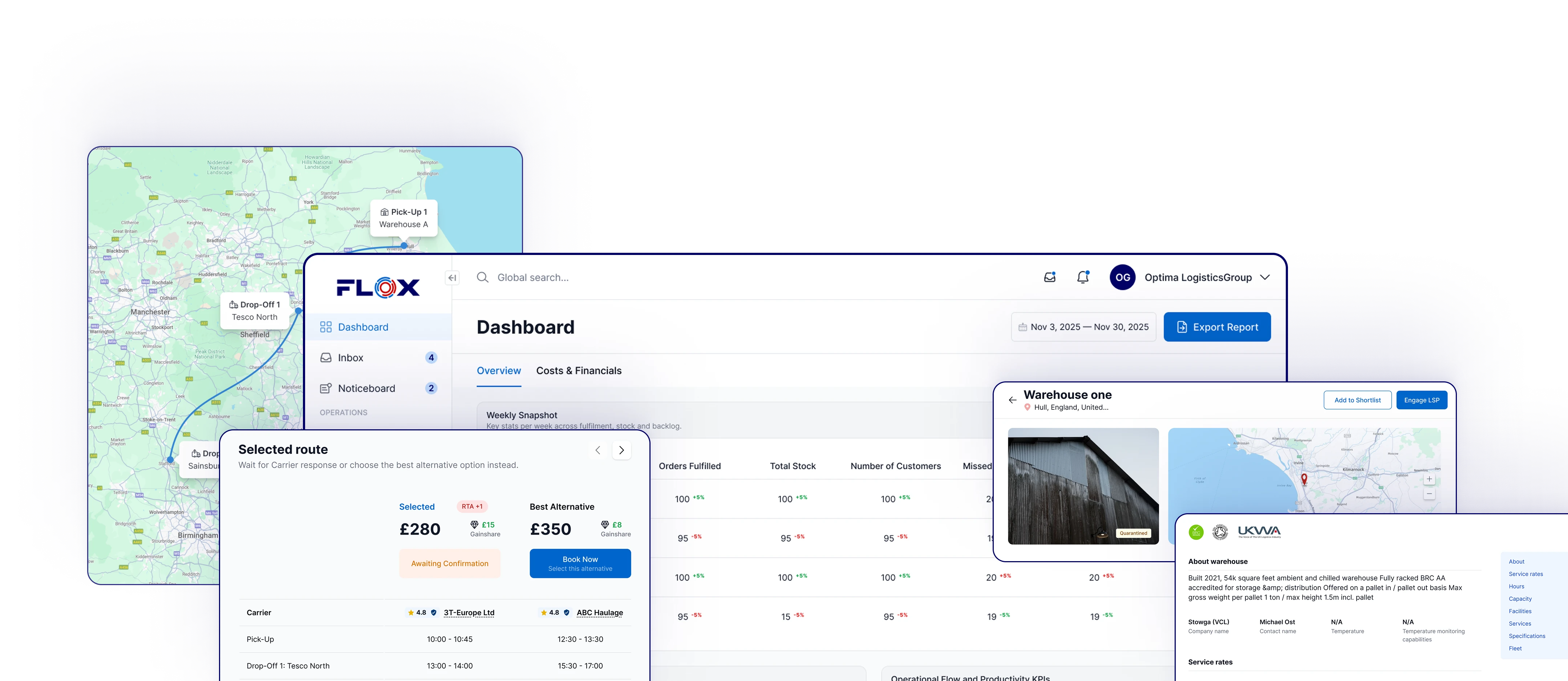


FLOX blog
Regular posts on the state of the industry and stories from inside our journey to build a market leading supply chain and logistics orchestration platform.


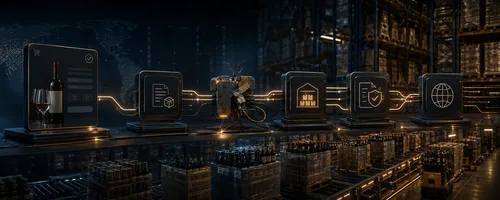
3PL technology integration testing for drinks brands: what to ask, what to run and what to walk away from
System integration is the single most predictive signal of operational fit when choosing a fulfilment partner for alcohol and spirits. Here is how to test it properly before you sign.
3PL technology integration testing for drinks brands: what to ask, what to run and what to walk away from
System integration is the single most predictive signal of operational fit when choosing a fulfilment partner for alcohol and spirits. Here is how to test it properly before you sign.
All articles
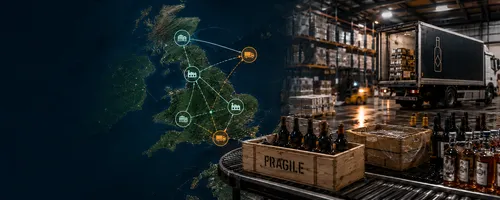
Supply chain network optimisation for alcohol brands: why the model keeps breaking
Network optimisation models are built for stable inputs. Alcohol brands operate in anything but. Here is why the model keeps breaking and what to do about it.
Warehouse business rates reform: a blunt instrument that hits the wrong targets
The proposal to raise business rates on warehouses to fund hospitality relief has a defensible objective but a flawed mechanism. Taxing every warehouse identically punishes 3PLs, manufacturers and omnichannel retailers for problems they did not cause.

3PL selection for made-to-order models: why the standard brief no longer fits
When production shifts to made-to-order, the logistics brief changes at every level. Here is why shippers need to rebuild their 3PL selection criteria from scratch rather than stretching an existing fulfilment contract.

Pressure-testing a 3PL before signing: a mid-market shipper's guide
Most mid-market shippers lose leverage the moment they sign a 3PL contract. Here is how to run the right checks before that happens.
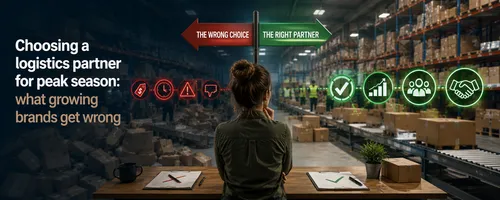
Choosing a logistics partner for peak season: what growing brands get wrong
Most growing brands focus on price and capacity availability when choosing a logistics partner for peak season. The decisions that hurt most come later, when visibility gaps and slow escalation paths leave operators unable to respond in time.
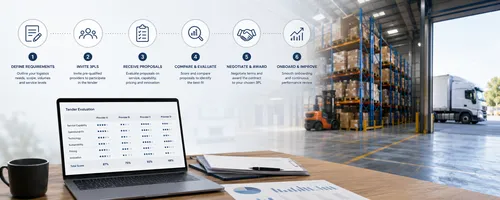
How to run a structured 3PL tender without drowning in spreadsheets
A structured 3PL tender should produce a clear, defensible decision. Most produce a folder of incomparable spreadsheets and a decision made on gut feel. Here is how to run one that actually works.

What growing brands get wrong about overflow warehousing and 3PL selection
Growing brands often treat overflow warehousing as a last resort and 3PL selection as a one-off contract decision. Both habits cost more than the problem they were meant to solve.
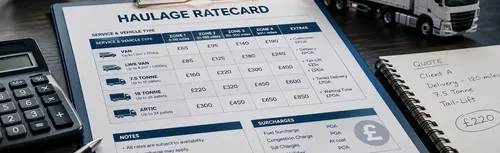
Beyond the rate card: how mid-market shippers should evaluate a 3PL
A low headline rate does not equal a good logistics partner. Mid-market shippers who limit their 3PL evaluation to price alone routinely pay for it in service failures, inflexibility and decision paralysis when volumes shift.
How to choose a UK warehouse and 3PL partner without overpaying on the rate card
Most businesses overpay for UK warehousing and 3PL services not because the market is expensive, but because they negotiate against incomplete information and sign contracts that reward the provider's utilisation, not their own. Here is how to fix that.
Why autonomous electric freight may change inventory positioning
Today's distribution networks were shaped around the limits of human drivers, shift patterns, rest breaks, labour cost. Autonomous electric freight loosens those constraints. The bigger consequence may not be cheaper miles but a rethink of where stock sits and why regional distribution centres exist.
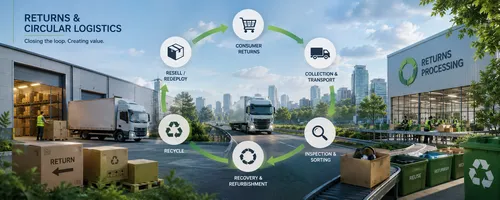
Circular logistics is not reverse logistics with a rebrand
Pre-loved and repair programmes look good in a brand story. The logistics behind them is a different problem entirely and standard WMS and TMS tooling was not built for it.

Lower prices should not mean weaker supply chains
Price-led grocery growth is reshaping retail, but cheaper prices do not have to mean thinner supply chains. The question is whether the operational model behind a discounter's rise can hold when the pressure to cut costs starts hitting logistics execution, not just margins.

Time is priceless.
Sign up today.