

Table of Contents
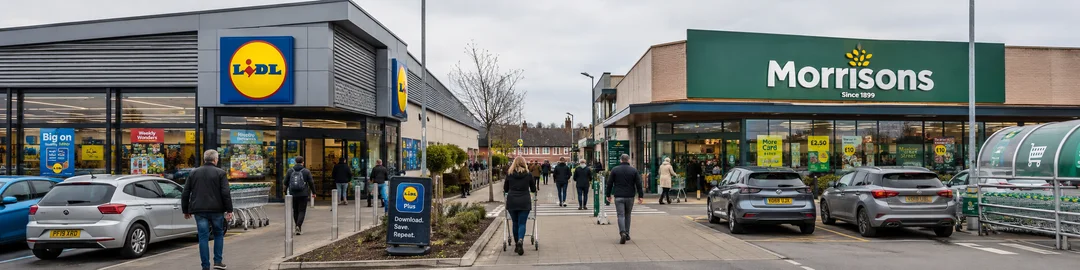
Lidl overtaking Morrisons to become Britain’s fifth-largest supermarket feels like one of those moments that says more about the state of the country than the supermarket industry itself.
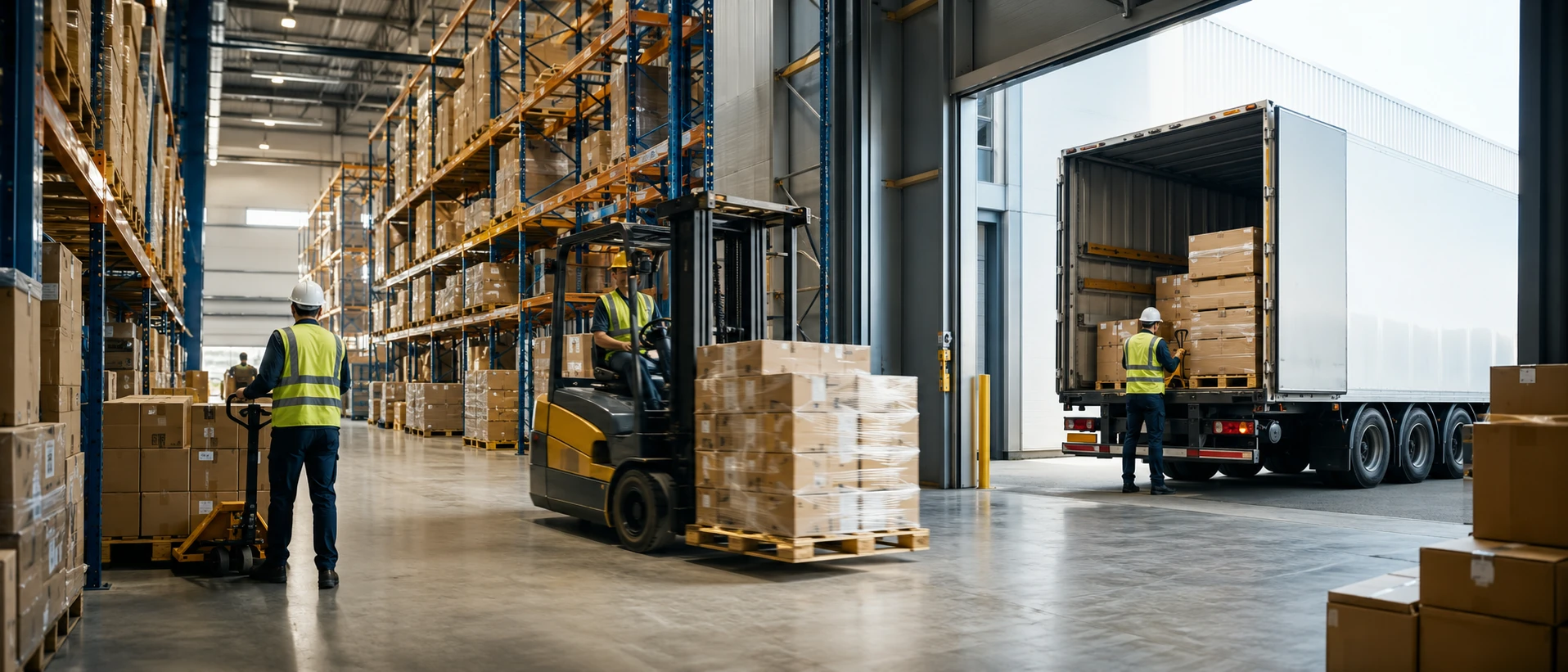
The problem is that supermarkets are not self-contained businesses operating in isolation from the wider economy. Modern grocery retail depends on vast supply chain networks that are already expensive and complicated to run before political pressure enters the equation. Warehousing, transport, inventory management, fulfilment systems and distribution infrastructure sit underneath every supermarket shelf, and all of it requires continuous investment simply to maintain performance, let alone improve it.
That is where the current debate starts becoming more complicated than it first appears. Lidl is not just expanding its store footprint in Britain. It is investing heavily into the infrastructure behind it. Distribution capacity, logistics operations and supply chain expansion all form part of the company’s long-term plans for the UK. Aldi continues to invest heavily as well. Neither company built its position in the market simply by cutting prices harder than everyone else. They built businesses around operational efficiency, tighter supply chains and lower structural costs.
There is an important difference between a retailer becoming cheaper because it operates efficiently and a retailer becoming cheaper because governments make profitability increasingly difficult. The first model tends to attract investment. The second eventually discourages it.

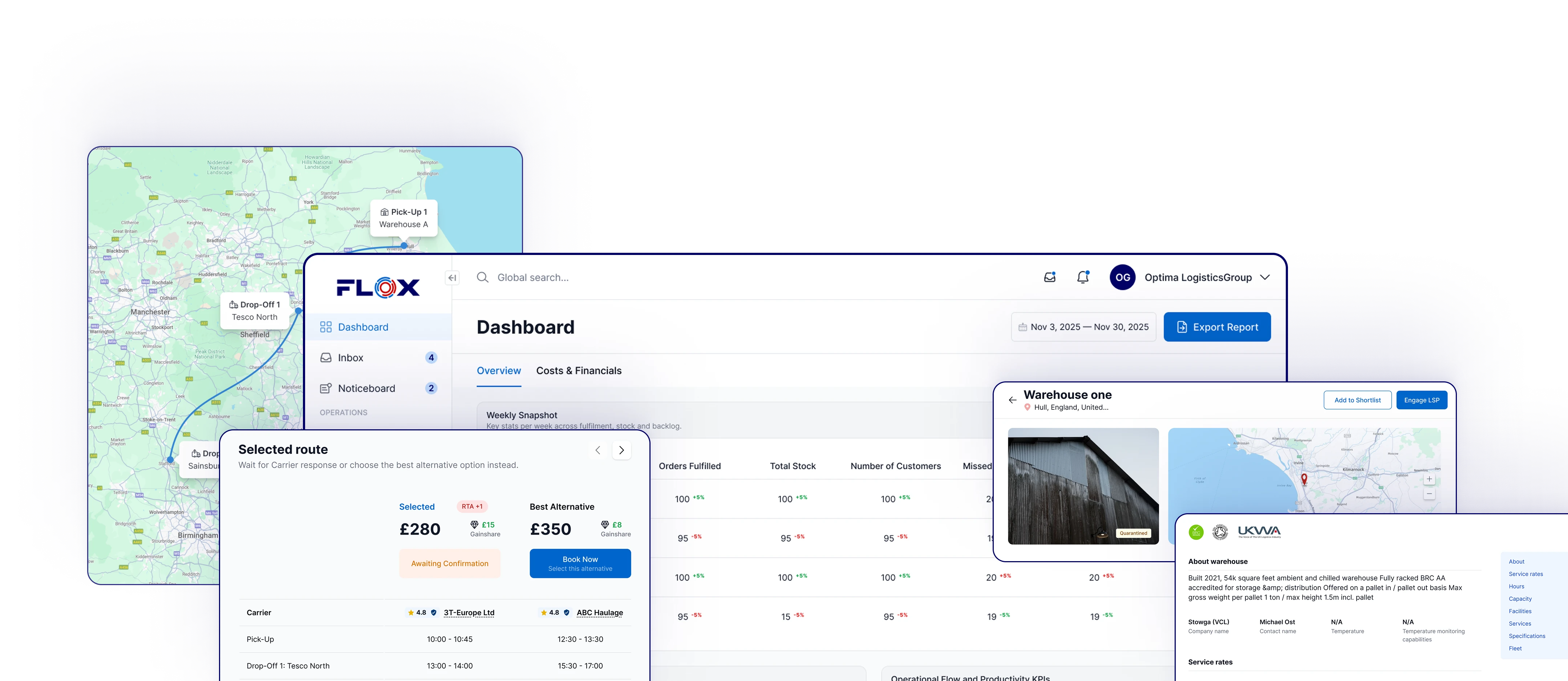
Ask anything to learn how FLOX works and helps buyers and sellers of logistics run more efficient and profitable operations.
That distinction becomes especially important in Britain because Lidl and Aldi are not British businesses. Their parent companies can decide where capital goes across multiple European and Global markets. If the UK becomes less attractive commercially, investment does not automatically stay here out of loyalty or necessity. International companies compare returns, operating conditions and long-term regulatory environments all the time.
British supermarket groups do not have the same flexibility. Tesco, Sainsbury’s, Asda and Morrisons remain heavily tied to the UK economy regardless of how difficult operating conditions become. Lidl and Aldi have options in a way domestic retailers largely do not. That should probably feature more prominently in the political conversation than it currently does.
Over the past few years, grocery supply chains have absorbed extraordinary pressure. Energy costs surged, labour shortages became chronic across logistics and warehousing and transport costs rose sharply. Online fulfilment added another layer of operational complexity into a sector that was already running on extremely fine margins. Throughout most of that period, supermarkets still faced constant pressure to keep prices as low as possible because consumers understandably expected them to shield households from inflation wherever they could.
But pressure on supermarket prices never stays neatly at the supermarket level. It moves backwards through the system. Suppliers absorb tighter margins, logistics providers face tougher transport contracts and warehousing operators delay investment decisions because the economics become harder to justify.
None of this produces immediate collapse. That is partly why it is easy to underestimate. Supply chains rarely fail dramatically all at once. What usually happens instead is that resilience gradually erodes over time. A distribution centre postpones automation upgrades for another year. Fleet replacement cycles become longer. Inventory buffers shrink because holding additional stock becomes more expensive. Expansion projects move more slowly because returns no longer look attractive enough.
Consumers often see none of this directly until disruption arrives and the system suddenly has far less flexibility available to absorb it. That risk becomes more serious if governments move from political pressure into more direct intervention on pricing. Retailers can only absorb so much cost before investment decisions begin changing. International retailers, especially, will eventually ask whether the returns available in Britain still justify large-scale long-term infrastructure spending.
And grocery infrastructure spending matters far more than most people realise. Modern supermarket retail increasingly depends on sophisticated logistics operations capable of moving huge volumes of inventory with extraordinary efficiency. Distribution centres, transport fleets, warehouse automation, forecasting systems and fulfilment technology are now central to competitiveness.


Maddi Solloway-Price
Head of Road Freight at Logistics UK
Chain Reaction Podcasts
The Human Cost of Road Freight
Behind every delivery is a driver working long hours with limited recognition. Maddi challenges an industry obsessed with automation to remember the people keeping freight moving.
Lidl’s success in Britain is tied closely to that operational discipline. Simpler replenishment models, tighter product ranges and faster stock movement created lower operating costs across the network long before inflation became the defining issue in retail. The company’s ability to continue investing while competing aggressively on price comes from those efficiencies. That is very different from creating lower prices by simply squeezing margins harder across an already stretched system.
Politicians understandably want cheaper food. Consumers do too. But countries also need retailers willing to invest billions into the infrastructure that keeps supply chains efficient and resilient over the long term. If the operating environment becomes persistently hostile to profitability, international businesses will eventually start directing more capital towards markets offering stronger returns and greater stability.
Britain would notice the consequences slowly at first. Fewer distribution projects, slower infrastructure upgrades, less expansion and less spare capacity inside the system.
The effects would not necessarily appear immediately in food prices either. They would show up in weaker resilience, reduced flexibility and a grocery sector that becomes harder to modernise over time.
Lidl overtaking Morrisons is partly a story about changing consumer behaviour, but it is also a reminder that investment follows confidence. Countries that attract long-term retail investment strengthen their supply chains over time. Countries that make investment less attractive eventually discover that pricing pressure alone cannot build resilient infrastructure.
And once that investment slows down, rebuilding it becomes far more expensive than protecting it in the first place.
Explore storage and fulfilment solutions that give your business flexibility and the support it needs to grow.
“Anything we can do to reduce the amount of complexity in the supply chain will reduce costs for the consumer and reduce waste.”
Oisin Hanrahan, Founder and CEO of Keychain

Subscribe to our newsletter.
Stay up to date with practical insights and useful logistics content
FAQs
It shows a deeper shift in British grocery retail. Consumers are becoming less loyal to traditional supermarkets and more focused on value. Lidl’s growth also reflects the power of efficient logistics, simpler operations and sustained investment in supply chain infrastructure.