

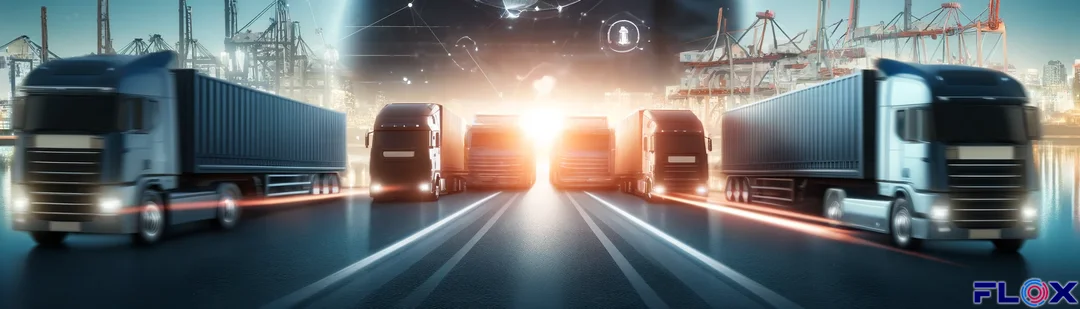
At the start of 2025, a handful of supply chain technology categories that had been circling the "emerging" list for years were expected to move into wider adoption. Autonomous vehicles, real-time visibility infrastructure and AI-driven planning tools were the main candidates. Six months in, the picture is clearer in some areas than others.
This piece works through each category in turn, drawing on what has actually occurred rather than projections made when these technologies were still on the horizon. The focus is practical: what each shift means for operators running real supply chains and for the 3PLs and logistics service providers working with them.
Autonomy: what is past the pilot stage and what is not
Autonomous technology in supply chains divides into two groups in 2025. The first has moved into real operations, with commercial deployments that go beyond controlled trials. The second is still in earlier phases, with strong underlying technology but without the regulatory frameworks or economic models that would support wide adoption.
In the warehouse, the first group is well established. Amazon Robotics has deployed automated systems across its fulfilment network at scale. AutoStore and similar modular automated storage systems are now standard infrastructure in high-throughput distribution centres across Europe and North America. The ROI case for warehouse automation is no longer contested. The questions for operators are about implementation scope, transition planning and which facility types benefit most.
In transport, the picture is more mixed. Autonomous trucks have progressed furthest in controlled environments: dedicated freight corridors, port terminals and defined last-mile zones. Volvo has conducted autonomous truck trials in Sweden, and similar programmes are running from other major manufacturers. In the UK, Ocado has tested autonomous delivery vehicles as part of its last-mile operations. These are real deployments, but they operate under conditions that limit their applicability to general road freight.
Drone delivery remains further behind than many 2025 forecasts suggested. Amazon Prime Air has conducted real deliveries, but at a scale and in a geographic range that represents a small fraction of parcel volumes. Regulatory frameworks in the UK and EU are still evolving, and the unit economics for drones on most parcel profiles are not yet competitive with conventional ground delivery.
For operators, the practical point is this: warehouse automation and semi-autonomous transport on defined routes are operational decisions today. Broader autonomous transport for general road freight, and most forms of drone last-mile delivery, are still multi-year timelines. For context on how these shifts affect outsourcing decisions, see our piece on getting value from third-party logistics providers.
“Today’s logistics manager has almost become a stockbroker — guessing when they should buy”
Chris Clowes, COO of FLOX

Visibility: the infrastructure that everything else depends on
The economic case for real-time supply chain visibility is well understood: fewer exceptions, faster response to disruption, lower safety stock, better service levels. The constraint has been building and integrating the infrastructure to deliver it. In 2025, that constraint is easing in several specific areas.
IoT sensor deployment has expanded well beyond pharmaceutical cold chain. Pfizer and other pharmaceutical companies have used IoT monitoring for temperature-sensitive goods in transit for several years. That model has extended into food, high-value electronics and medical devices as sensor costs have fallen. For industries where product condition in transit directly affects value or regulatory compliance, live monitoring is now a baseline requirement rather than a competitive differentiator.
Blockchain traceability has moved from pilot to operational in a small number of large deployments. IBM's Food Trust platform, used by Walmart and other major retailers to trace food products through their supply chains, is one of the better-documented examples. The value is in verifiability: a tamper-resistant record across a multi-party chain that allows rapid traceability when there is a safety question or audit requirement.
Cloud-based planning platforms have become the connective tissue of modern multi-party supply chains. SAP Integrated Business Planning and Microsoft Dynamics 365 Supply Chain Management provide the integration layer that lets buyers, manufacturers, logistics providers and carriers share a consistent operational view. The gap between organisations running integrated planning platforms and those still working from disconnected systems is widening.
AI-powered predictive visibility tools add the next layer. Siemens and similar vendors have deployed systems that identify supply disruption signals earlier than traditional monitoring would catch them. For operators managing complex multi-node networks, acting on a predicted shortage or delay before it becomes visible as a service failure is worth more than most discrete technology investments. The persistent challenge is integration: most operators run visibility tools from multiple vendors that do not share data cleanly, which limits the practical return on each individual system.
AI and digital twins: where the practical value sits
AI in supply chain covers a wide range of maturity levels, and the business cases are not equal. Demand forecasting and inventory optimisation are the most established applications, with documented returns in FMCG and retail. Major consumer goods companies have deployed predictive demand planning tools, with IBM Watson Supply Chain among the better-known enterprise applications, to reduce safety stock and cut write-offs in perishable categories.
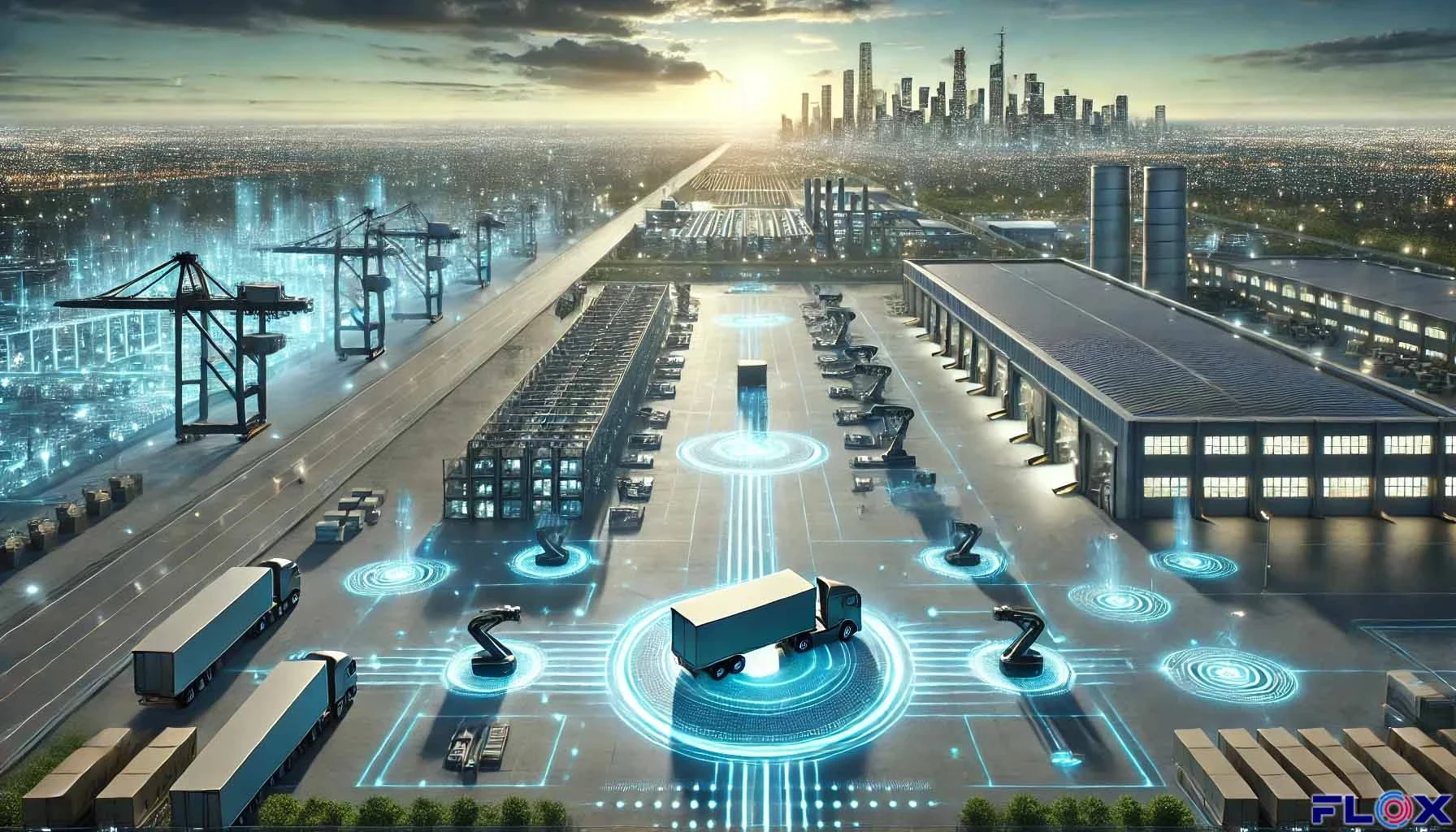
Digital twins occupy a more specific space. A digital twin is a live virtual model of a physical system updated continuously with real operational data. In supply chain applications, this typically means a model of a distribution network, production facility or transport fleet that reflects actual conditions rather than the planned state.
Rolls-Royce has used digital twin technology to manage its aerospace supply chain for several years. The technology has since spread through manufacturing and logistics. It is most valuable in high-complexity operations where testing scenarios in the physical world is expensive: modelling the effect of a facility closure, stress-testing a distribution network against a port disruption or optimising a warehouse layout change before committing to it. This connects directly to supply chain agility: the ability to simulate and pre-position before a disruption is more useful than responding after it has already hit.
The more ambitious AI applications, including largely autonomous supply chain management with minimal human oversight, are not yet practical for most operators. The constraint is typically not the AI model itself. It is the quality and completeness of the data feeding it. Most real supply chains produce data that is incomplete, inconsistent or delayed in ways that limit what the more sophisticated AI tools can reliably do.
For most operators in 2025, the practical sequence is data infrastructure first and AI applications second. The case for AI in logistics is strong, but the tools produce better outputs when the underlying visibility layer is already solid. Most of the gain from AI comes after the integration work is done, not before it.


Chris Clowes
COO of FLOX
Chain Reaction Podcasts
The Real State of Logistics, Looking Beyond the Headlines
Headlines say logistics is recovering. The data tells a different story — stable volumes, compressed margins, and an industry quietly deciding its next move.
The longer horizon: autonomous shipping, net-zero hubs and Hyperloop freight
Three technology categories are still in earlier phases in 2025 but worth tracking, because the underlying technology is real and the commercial potential is substantial.
Autonomous cargo shipping has the clearest path. The Yara Birkeland, the world's first fully electric and autonomous cargo ship, has been operating commercially in Norway. The economics for reducing crew requirements on defined short-haul coastal routes are sound, and the navigation technology is advancing. Regulatory frameworks need to catch up, but the direction is clear.
Net-zero logistics hubs are moving faster than many expected. Property developers including Prologis are actively building warehouse facilities powered by renewable energy with net-zero operational targets. The commercial driver is as significant as the environmental one: shippers with Scope 3 emissions targets are beginning to make sourcing decisions based on the carbon profile of the logistics facilities their goods move through. Demand for certified net-zero warehouse space will grow as emissions reporting requirements tighten.
Hyperloop freight remains the most uncertain category. The technology concept is being explored by several organisations and the physics are not in dispute. But no commercial freight Hyperloop network is operational or under construction in 2025. The capital requirements are very large, the regulatory path in any major market is long and the competitive dynamics with electrified rail freight are not yet worked through. This is a category to monitor in research and planning contexts rather than near-term investment decisions.

Ask anything to learn how FLOX works and helps buyers and sellers of logistics run more efficient and profitable operations.
Making technology investment decisions now
The common failure in technology adoption is trying to advance on all fronts at once. The more useful frame for 2025 is sequence: which investment creates the conditions for the next, and which technologies are genuinely operational now versus which still require a few more development cycles.
For operators with limited real-time visibility, the data infrastructure question comes first. AI tools and autonomous systems produce better outcomes when they feed from live, reliable data. Investing in predictive tools before the underlying visibility layer is solid tends to produce disappointing results and makes it harder to diagnose what is going wrong.
For 3PLs and logistics providers with significant manual processing, the warehouse automation question is no longer speculative. The economics of automated storage and retrieval in high-volume facilities have shifted. The right question is no longer whether the technology works, but what scope, what transition model and which facility profile justifies investment now.
For shippers and buyers managing multi-party supply chains, visibility platform consolidation pays dividends quickly. A shared operational picture across suppliers, logistics providers and carriers reduces exception management cost substantially. Most of the gain from visibility investment comes from removing the manual reconciliation that happens when different parties in the same chain run different systems with no integration between them.
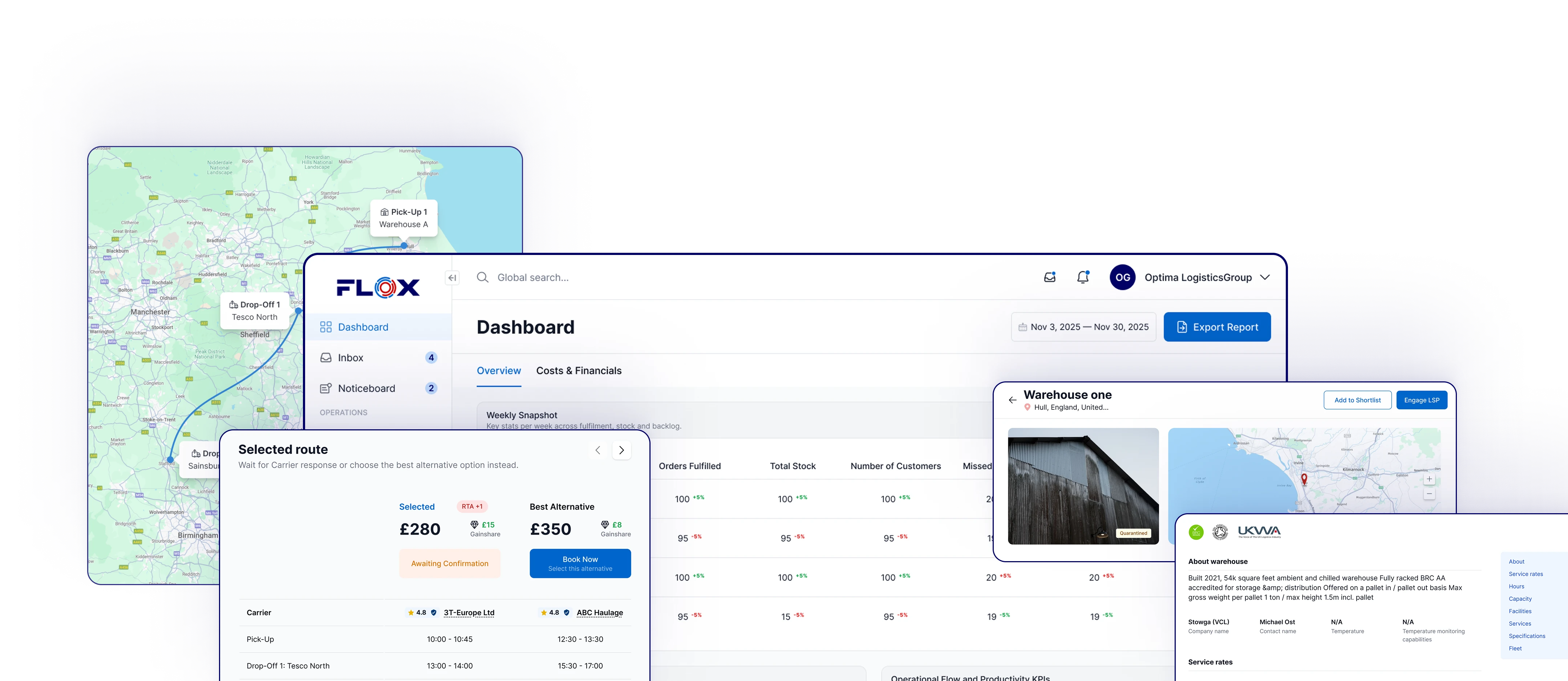
FLOX's marketplace and orchestration platform is built around this problem: connecting buyers, shippers and logistics service providers with a shared visibility layer that covers execution status, exceptions and financial flows across every party in each shipment. Our analysis of co-loading potential in UK road freight shows what becomes possible when information infrastructure connects parties who are already travelling the same routes.
Subscribe to our newsletter.
Stay up to date with practical insights and useful logistics content
FAQs
The main areas seeing practical adoption in 2025 are warehouse automation, real-time visibility infrastructure and AI-powered demand planning. Autonomous transport on defined routes is advancing in specific applications. Technologies including autonomous cargo shipping and net-zero logistics hubs are progressing but on longer timelines. The most useful distinction is between technologies that are operational now and those still in earlier phases, which require different investment timescales and risk profiles.