


By the time a logistics team is debating weighted scorecards, the structural damage is already done. The providers in the room were assembled informally, briefed inconsistently and asked to respond to a specification written for a different network shape. No scoring formula fixes a weak candidate pool.
The FLOX blog on running a structured 3PL tender without spreadsheets covers the mechanics well: standardised briefs, comparable response formats and a process that doesn't collapse under version-control chaos. What it points toward, but doesn't fully state, is that process discipline only matters if the market coverage is there first. A tidy tender run across three familiar names is still a narrow tender.
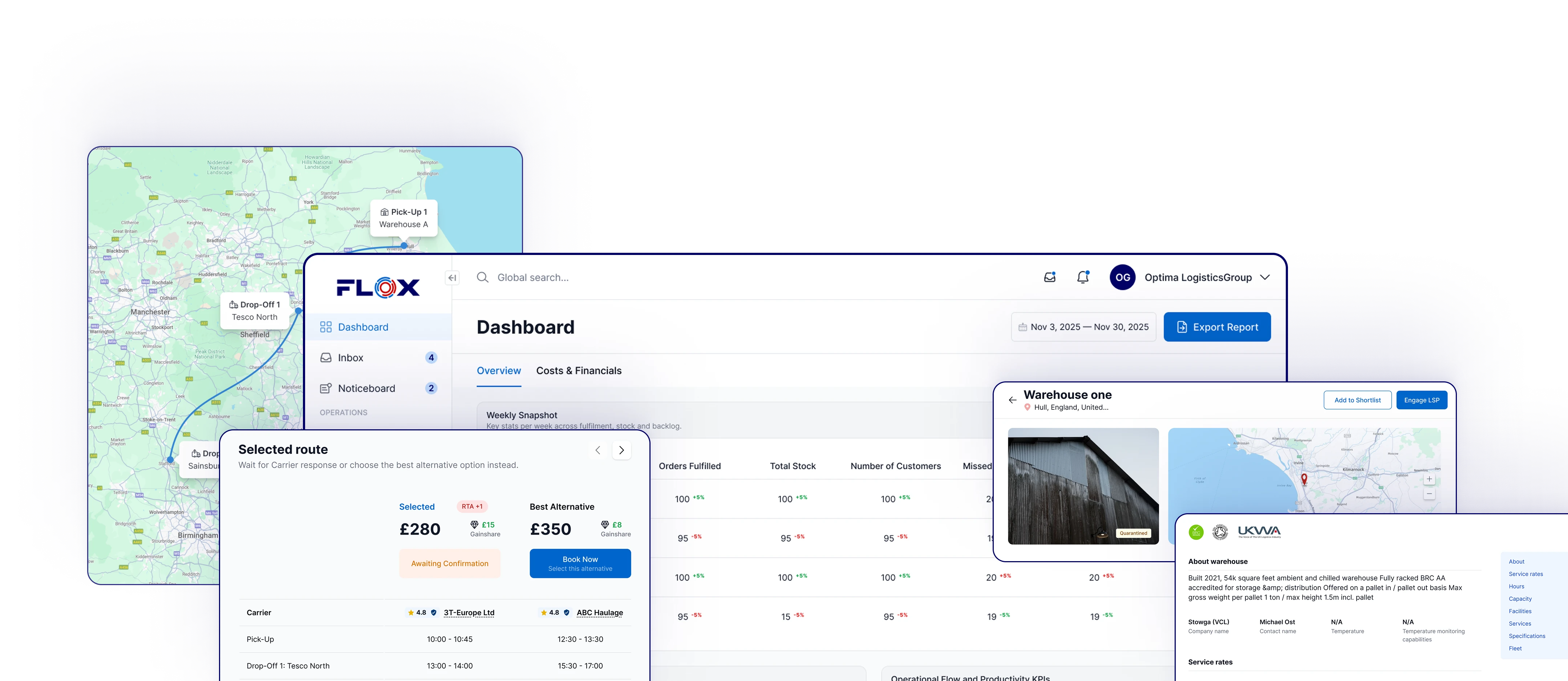
The harder shift for procurement and supply chain teams is moving from relationship-driven longlist curation to capability-driven matching. That means surfacing providers whose operational profile fits the actual flow, geography, volume shape, product type, service window, before any RFQ document goes out.
This is where a marketplace with orchestration depth changes the calculus. Structured tender process and broad provider reach are not separate problems to solve in sequence. They need to run together or the output is a well-formatted decision made on an incomplete set of options.