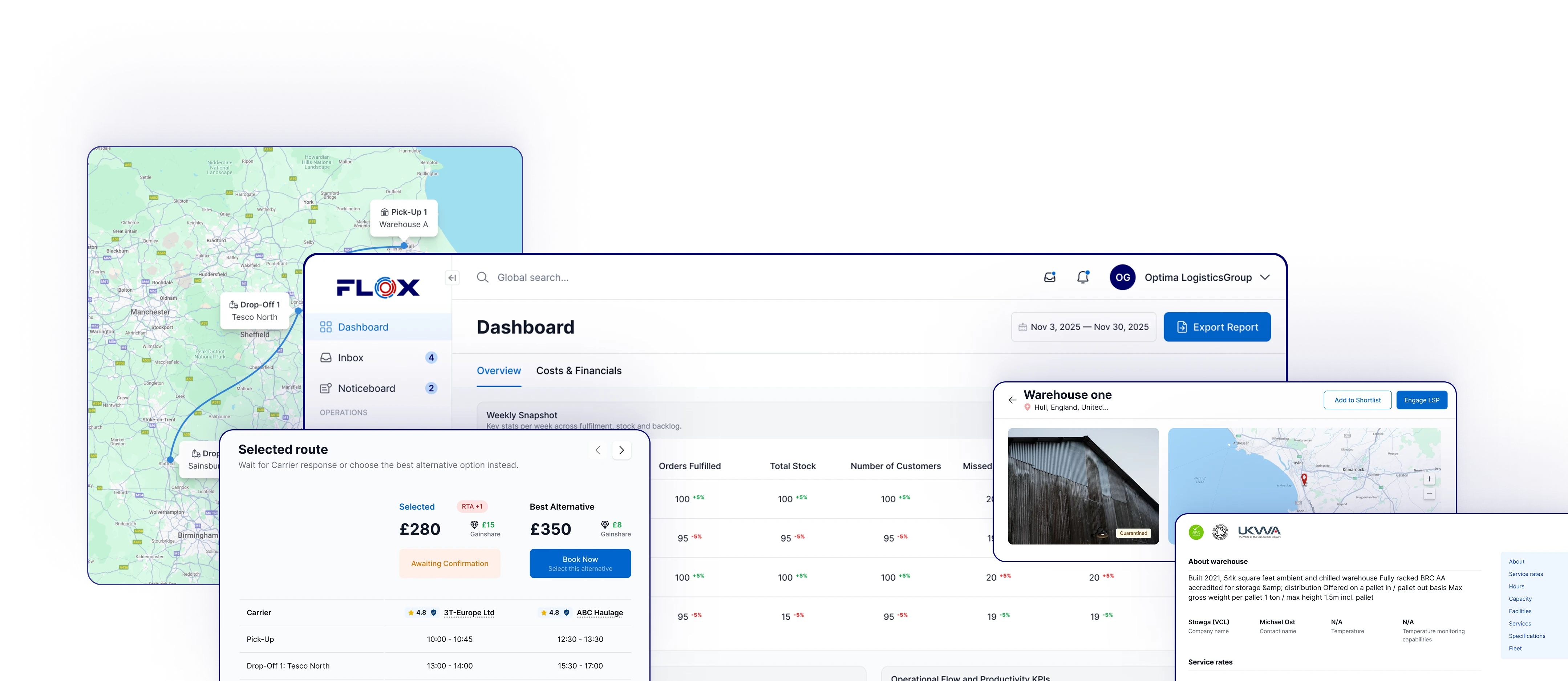
The case for logistics SOPs is well made in our new blog on why documented processes matter. What the blog surfaces is the floor, not the ceiling: a written procedure tells people what should happen, but it cannot enforce what actually happens across a warehouse provider, a 3PL and a haulier who each run separate systems.
When an exception breaks the expected sequence, the SOP is consulted in one inbox while the goods sit in another county. The process document and the operation have already diverged. That gap is where cost lands.
Closing it requires more than better documentation. It requires exception routing, permissions and financial flows to run across every party in real time, not just within one organisation's four walls. Orchestration is what turns a written procedure into a live one.
Shippers reviewing their SOPs now should ask a harder question alongside "is this documented?": "does every provider in my network receive, action and confirm the same instruction at the same moment?" If the answer is no, the SOP describes an operation that does not quite exist yet.