

Browse-to-basket data has always been a proxy for intent and most short-term replenishment logic is built on it. When an AI agent completes the purchase without the shopper ever visiting a product page, that proxy disappears. The on-site signals that feed into warehouse replenishment calls, 3PL allocation decisions and short-haul booking windows simply do not fire.
This is not a future risk sitting behind an adoption curve. The tooling is live, early adopters are using it and the signal erosion starts the moment any meaningful share of orders routes through an agent rather than a browser session. Operators who have not asked which layer of their demand data is behavioural and therefore vulnerable are already running on a narrowing information base.
The operational implication is specific: demand-sensing needs to weight upstream signals more heavily. Sell-out velocity, supplier lead times, platform catalogue changes and order frequency patterns are more durable inputs than on-site clicks. None of them require a shopper to browse.
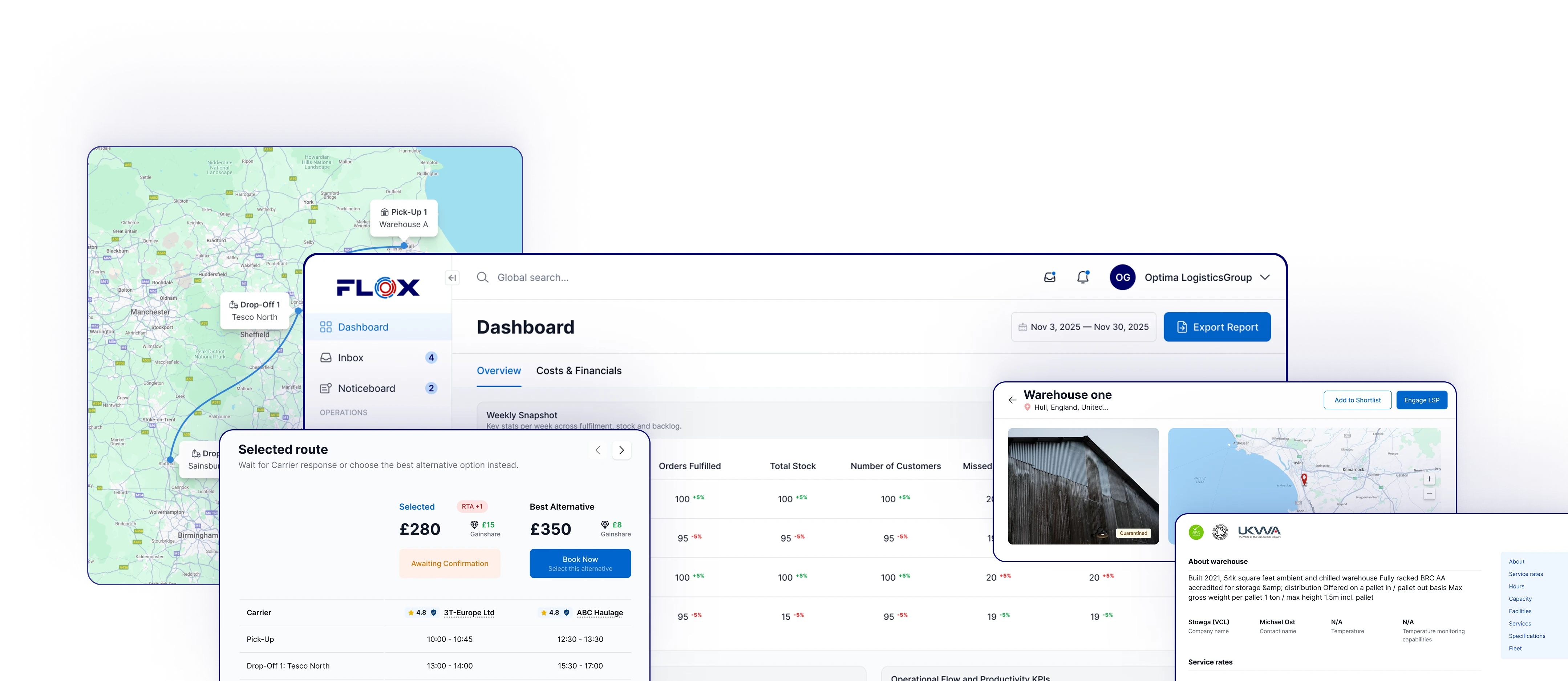
Coordinating that shift across a buyer, a warehouse provider and a 3PL requires the kind of shared visibility that sits in the orchestration layer, not in a retailer's analytics dashboard alone.