

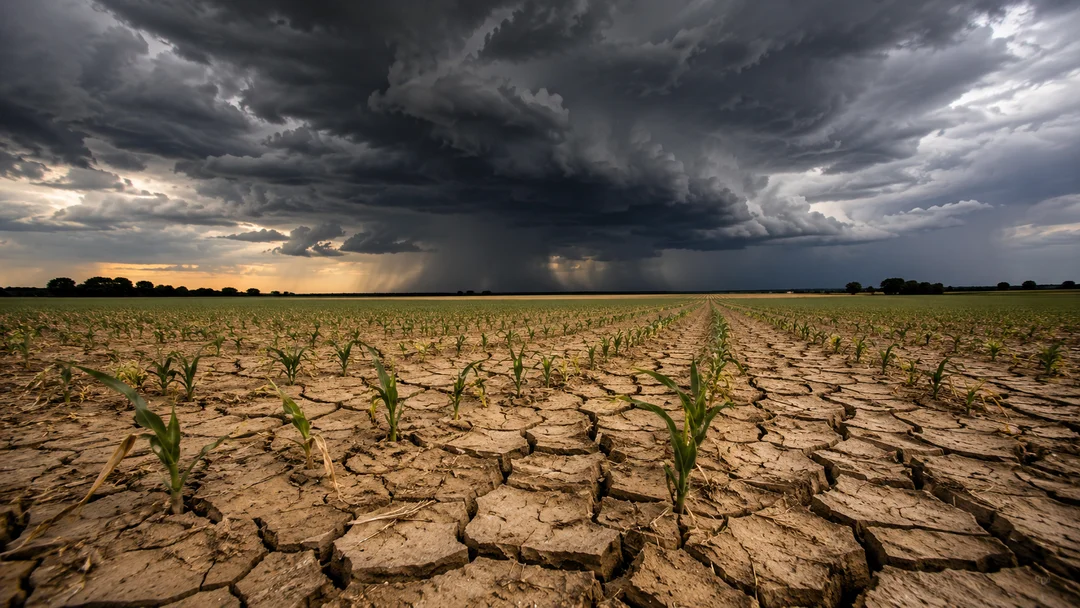
The mechanism is direct: a sustained El Niño compresses harvests across multiple origins simultaneously, which moves commodity prices before any carrier is late or any lane closes. By the time the operational disruption is visible, the margin damage is already done upstream.
Food Manufacture's recent analysis of super El Niño resilience makes the case clearly: manufacturers who waited for a weather event to announce itself operationally were already behind. The planning window is the period before a forecast hardens, not after a port is congested.
Most logistics networks still file weather under force majeure. That framing removes it from the decision cycle entirely. The more useful framing treats it the same way FX desks treat rate scenarios: a known pattern with probabilistic timing, not a random shock. That means routing assumptions, origin diversification and carrier capacity commitments all need conditional versions built against climate scenarios, not just against demand variance.
For UK and EU food shippers, this is not a theoretical exercise. Several key sourcing corridors for cocoa, olive oil and soft commodities run through regions that El Niño affects directly. Building alternate origin logic into logistics planning now costs far less than rebuilding it under pressure.