

Each handoff in a multi-party logistics chain carries a timing assumption. The warehouse books labour against an expected arrival; the carrier optimises its route without knowing whether the dock is clear. When those assumptions diverge, someone absorbs the cost: demurrage, overtime or a missed delivery window passed down the chain.
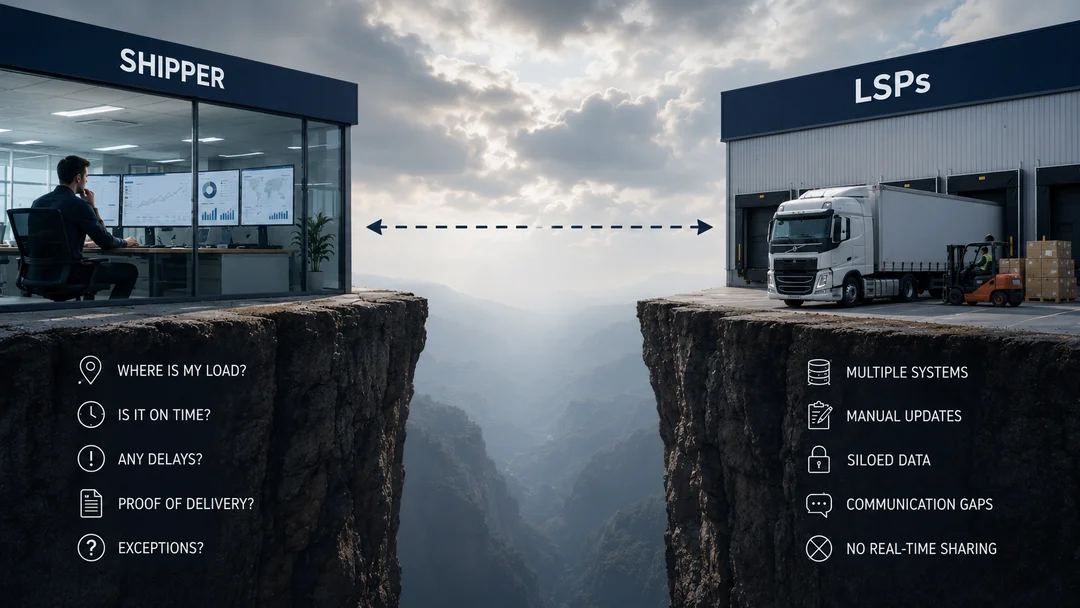
The problem compounds because each party's visibility ends at their own system boundary. A transport management system records departure time; a warehouse management system records arrival. Neither captures what happened in between and neither flags the divergence until the invoice arrives. By then, the root cause is buried.
For shippers operating across multiple carriers and fulfilment sites, the aggregate drag is material. Detention alone routinely runs at rates that dwarf the original freight cost on short-haul lanes. Labour inefficiency at goods-in is harder to invoice but equally real.
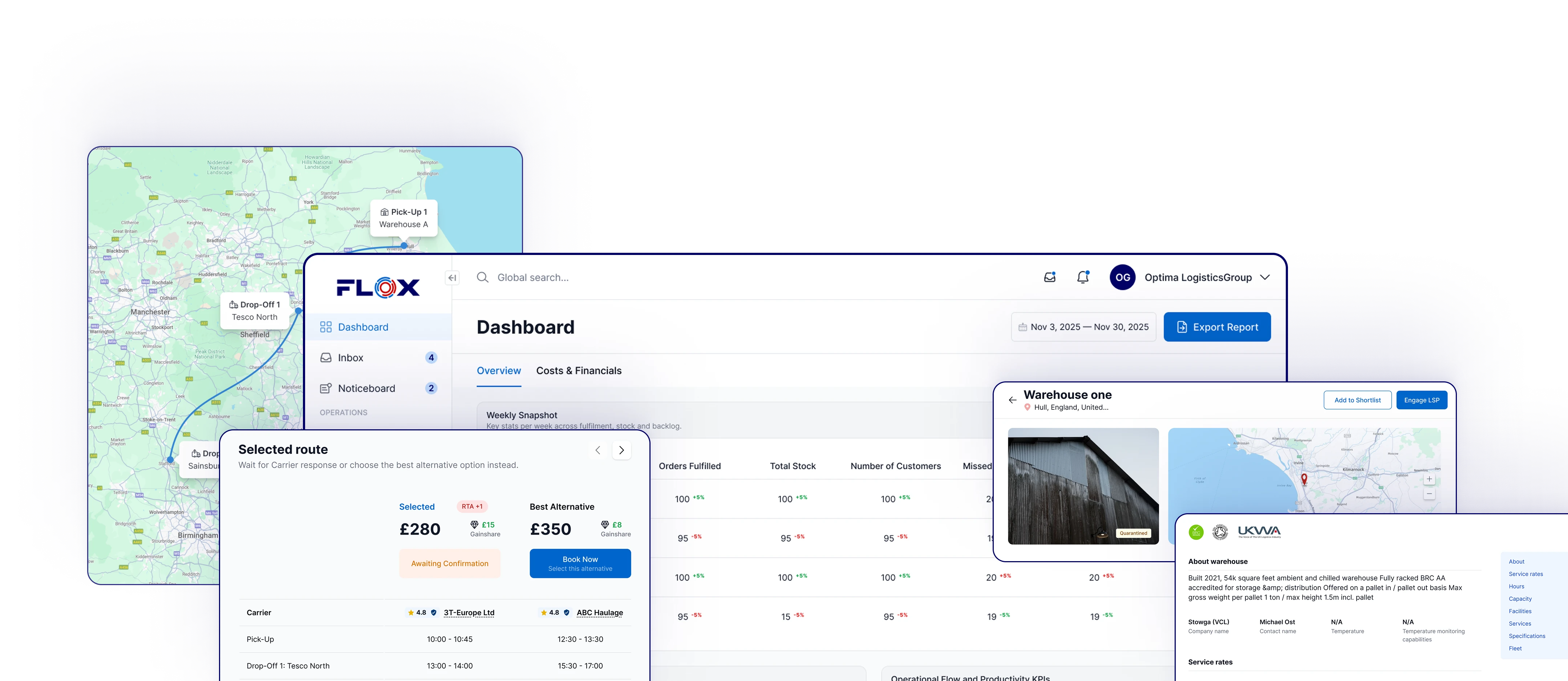
Closing the gap requires shared status data flowing between carrier and warehouse before the vehicle arrives, not after. That means a coordination layer sitting above both parties' systems, reconciling ETAs against slot availability in real time. A marketplace that also orchestrates execution across providers can hold that position. Without it, the cost of the gap stays hidden in individual line items rather than surfacing as what it actually is: a coordination failure.