

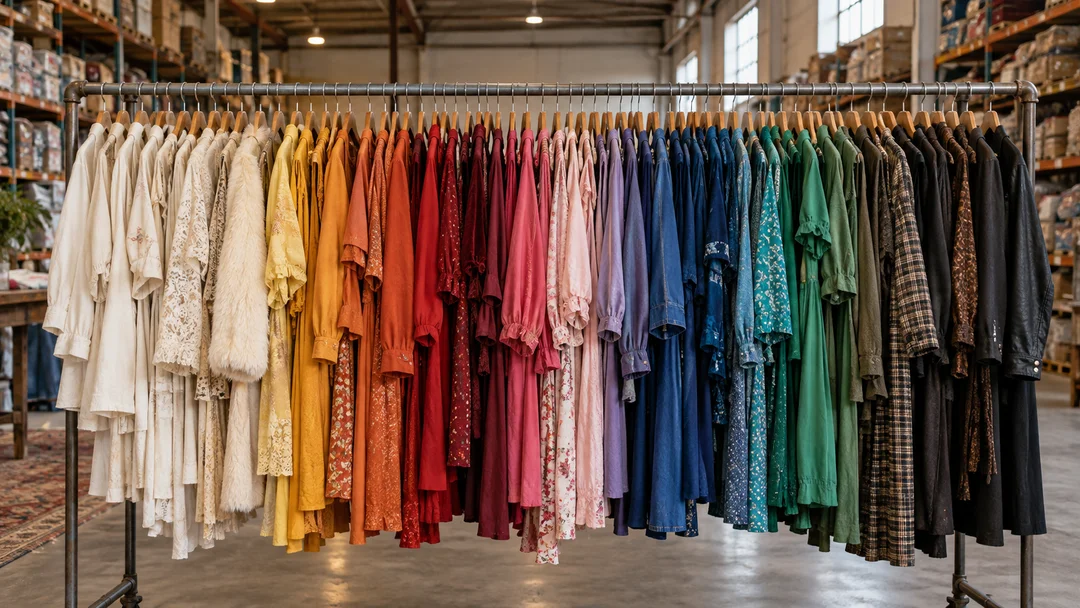
Rokit's 40-year arc from Portobello Market stall to omnichannel retailer, covered in Drapers, illustrates something broader: the operational model of vintage and preloved retail is structurally different from new-goods fulfilment. Every inbound item is unique, condition varies and volume spikes are driven by donation or acquisition rather than purchase orders.
Standard 3PL contracts assume repeatable SKUs, predictable case counts and minimal handling variation. Vintage breaks all three. Sorting, grading and photography happen before a unit can be listed, let alone picked. That makes the fulfilment operation closer to a returns-processing brief than a conventional outbound flow and most providers price and staff for neither.
The shortlisting brief for a resale operator needs to specify inbound handling capacity for unsorted stock, per-unit processing time, storage flexibility for irregular shapes and sizes and the ability to scale handling labour up and down within weeks rather than quarters. Providers who cannot demonstrate experience with condition-variable goods will create bottlenecks at the grading stage regardless of their pick-and-pack metrics.
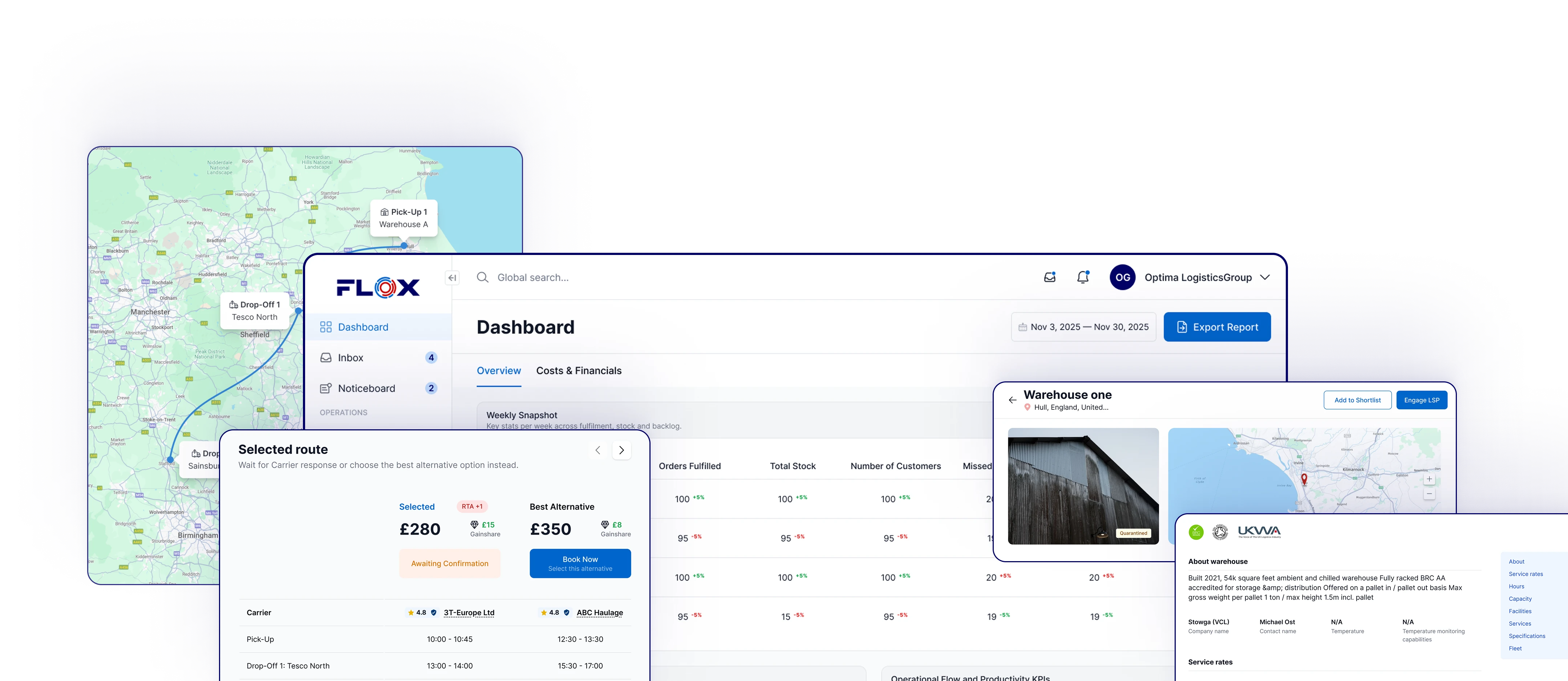
When one provider tightens, a multi-party model absorbs the pressure. Splitting inbound processing from outbound fulfilment across specialist providers, coordinated through a single orchestration layer, gives resale operators the flexibility their stock profile demands without forcing a single 3PL to stretch beyond its capability.