


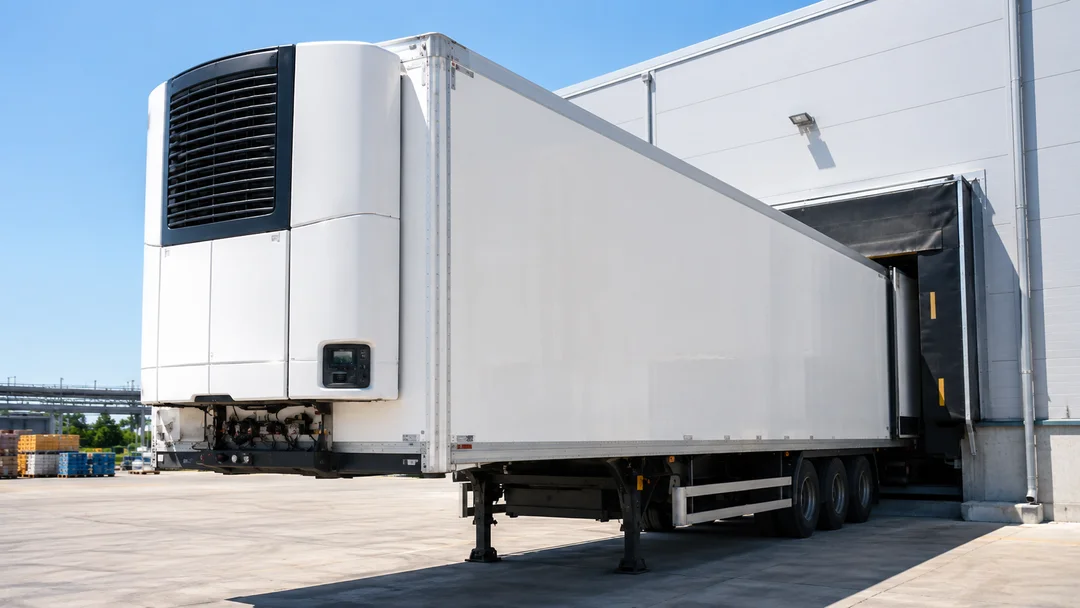
Retail cold cases are the most visible point in a long chain of temperature-controlled handling. When they fail during a heatwave, it is usually because ambient load has exceeded design tolerances at multiple points upstream: reefer trailers running warmer than spec, ambient dock temperatures spiking during loading and cold stores cycling harder than their equipment was rated to sustain.
Most temperature-controlled infrastructure in the UK and northern Europe was engineered around historical climate norms. Sustained periods above 35 degrees C were edge cases. They are becoming operational baselines. The equipment, the SLAs written into carrier contracts and the contingency protocols in most cold-store agreements have not kept pace.
The practical consequence for shippers is that a heatwave is now a network stress-test that arrives without notice. Carriers running older reefer fleets will shed non-priority loads first. Cold-store operators at capacity will defer inbound receipts. Retailers absorb the visible failure, but the vulnerability was baked in well before the product reached a distribution centre.
Operators who treat last summer's fridge failures as a retail anomaly will face the same exposure next season. The more useful response is to audit temperature excursion data from the last two summers across every leg of the chain and find where tolerance headroom has already gone.