


The mechanism is straightforward: Black Friday compresses demand into a window so narrow that warehouses price at peak, carriers cherry-pick lanes and returns flood in during the first two weeks of December. A flattened curve removes the premium but it also removes the structural excuse for over-booking capacity that never gets used outside those ten days.
Most provider contracts are not built for deliberate demand smoothing. Minimum volume commitments, fixed slot allocations and carrier rate cards all assume the shipper will spike in November and trough in January. A brand that actively redistributes volume across October and December is operating outside the assumptions every contract was written to protect.
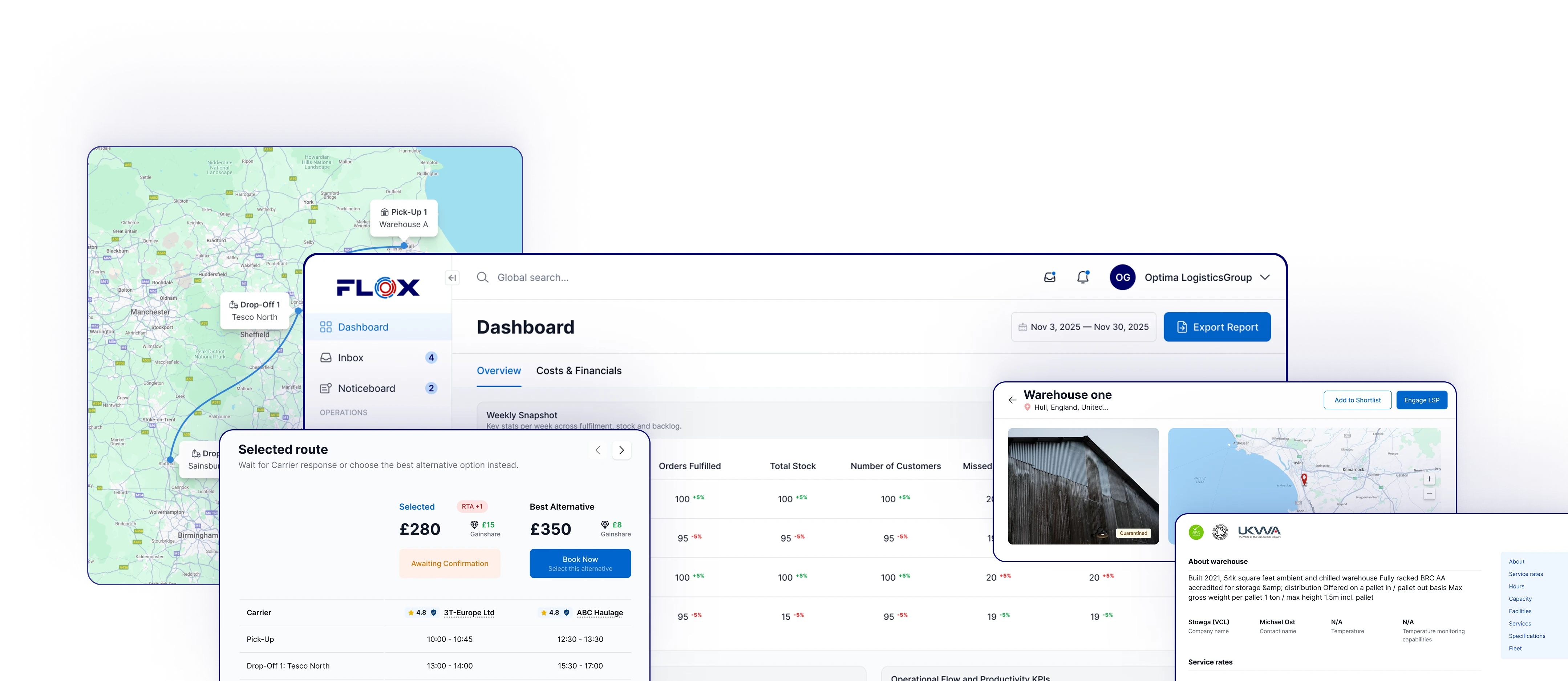
That gap is a coordination problem. Knowing that your volume will be 20 per cent lower in week 47 than your 3PL expects is only useful if the information reaches the warehouse, the haulier and the returns handler at the same time, with enough notice to reallocate slots elsewhere. Without a shared view of orders and exceptions across every party, demand smoothing stays a marketing claim rather than an operational reality.
The brands trialling Slow November may or may not shift consumer behaviour.