

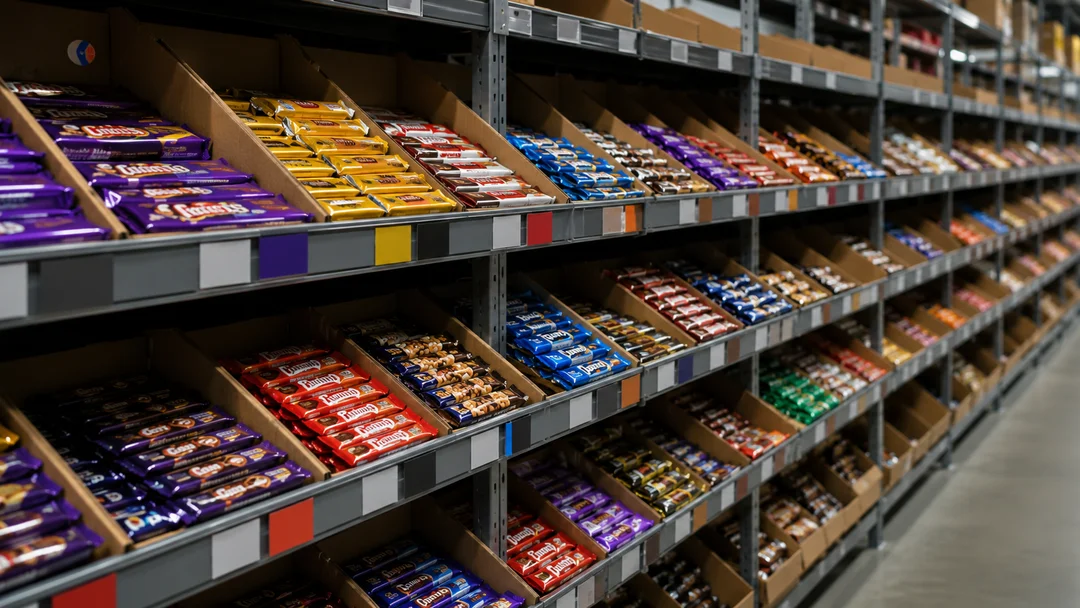
Research cited by EFESO shows the recovery came not from renegotiating carrier rates or squeezing warehouse labour, but from removing variants that had quietly multiplied pick configurations, labelling requirements and minimum-order constraints across the network.
Category teams price SKU additions against manufacturing margin. They rarely see the downstream cost: extra routes to maintain minimum fills, additional pick faces that slow throughput, labelling variants that break automated sortation and 3PL contract clauses triggered by configuration count. Each new SKU looks marginal in isolation; the compound effect across a network is not.
Supply chain operators are better placed than anyone to surface that true cost, because they sit across the routes, the warehouse configurations and the carrier agreements simultaneously. The problem is that most cost-visibility tools report at the shipment or pallet level, not at the SKU-complexity level. The link between a 22% reduction in product variants and a $10 million income recovery only becomes legible when someone maps pick cost, route frequency and labelling overhead back to individual codes.
For UK and EU food and beverage shippers, SKU rationalisation is not a category decision with a logistics footnote. It is a network decision that category teams are making without the data. Giving operators that visibility is where the next margin conversation starts.