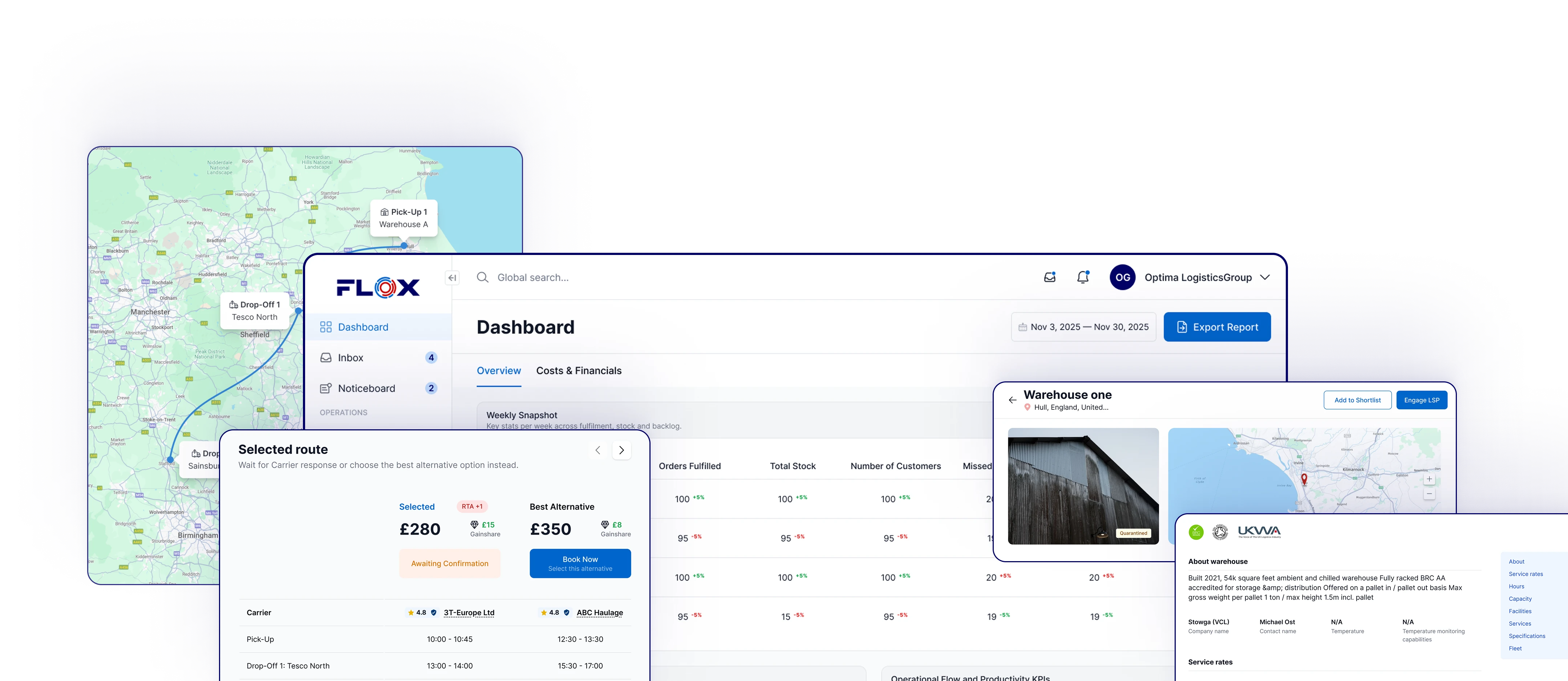


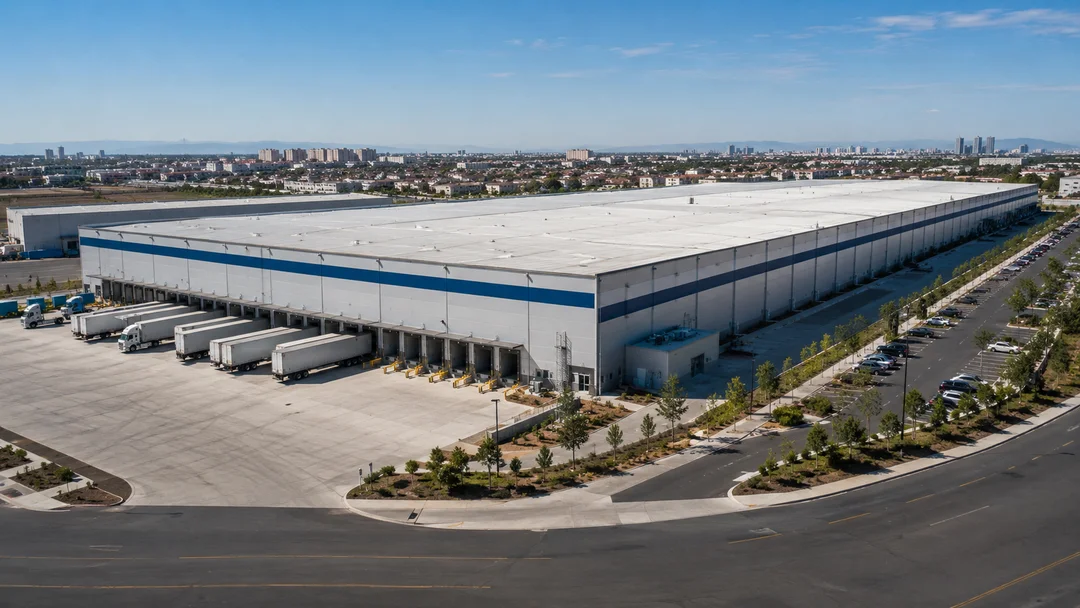
The FLOX blog on business rates reform sets out why the current proposals are poorly calibrated for logistics realities. The deeper problem is directional: policy that raises the cost of holding stock near population centres pushes operators to rationalise footprint and rationalisation almost always means consolidating into fewer, larger sheds further from end markets.
For shippers, that trade-off is rarely free. Longer stem distances add lead time and fuel cost. Reduced buffer stock close to demand raises service risk on any day a trunk route runs late. These are not abstract concerns; they surface in customer-facing metrics within weeks of a network change.
Warehousing is not a passive asset class to be taxed at the margin of convenience. It is the spatial buffer that lets supply chains absorb demand variation and recover from disruption. Blunt fiscal instruments that ignore that function do not slim the logistics industry down; they redistribute its costs onto the shippers and consumers who depend on it.
The practical response for operators and shippers is to stress-test network assumptions now, before any reform is enacted. Where rate exposure concentrates in a single facility, spreading volume across a multi-provider footprint reduces both fiscal and operational risk. FLOX connects shippers to a marketplace of providers with orchestration across that network.