

The headlines focus on Primark's digital ambition, but the harder question is operational: how do you build an e-commerce fulfilment model around a product range engineered for low average order values and high footfall, not parcel economics?
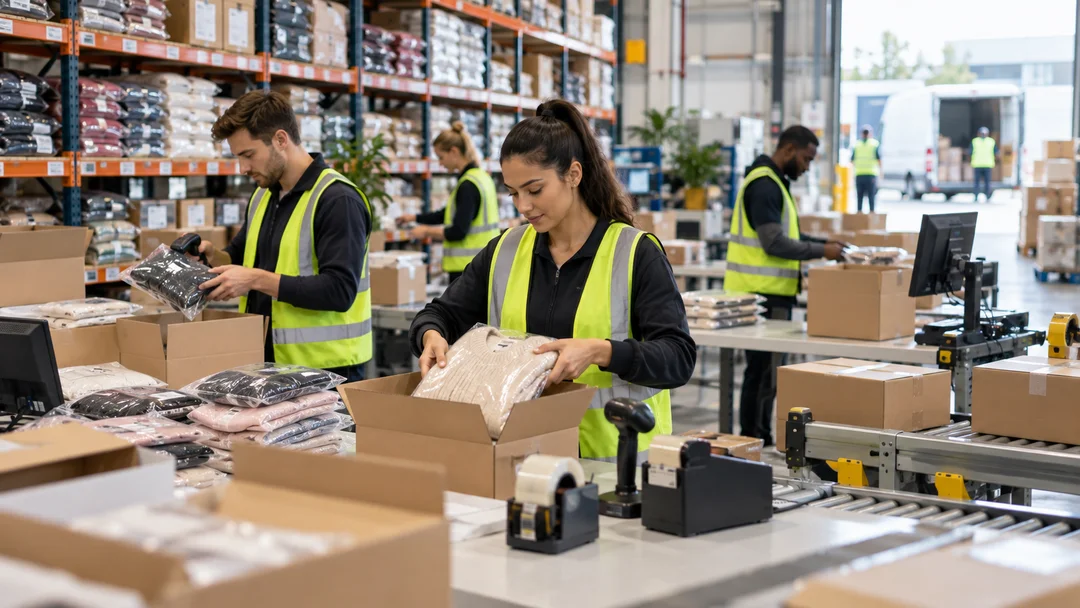
Pick-and-pack costs that are trivial inside a store become significant once you add a box, a label and a carrier rate. Returns, which Primark has historically had little reason to design for, require a reverse logistics flow that most fashion operators take years to tune. Neither problem is solved by a website going live.
Inventory routing is where the margin question gets decided. Sending stock from a single central facility keeps control simple but stretches delivery windows. Distributing it closer to demand reduces transit cost but demands real-time visibility across nodes. Getting that balance wrong in either direction compounds quickly across millions of low-value units.
Primark's existing store network is a potential asset here, as a ship-from-store or click-and-collect base that already sits inside population centres. Activating it properly, though, requires carrier agreements, staff workflows and returns-handling logic that most retailers build over several years, not one product cycle. The infrastructure decisions made now will be much harder to undo later.