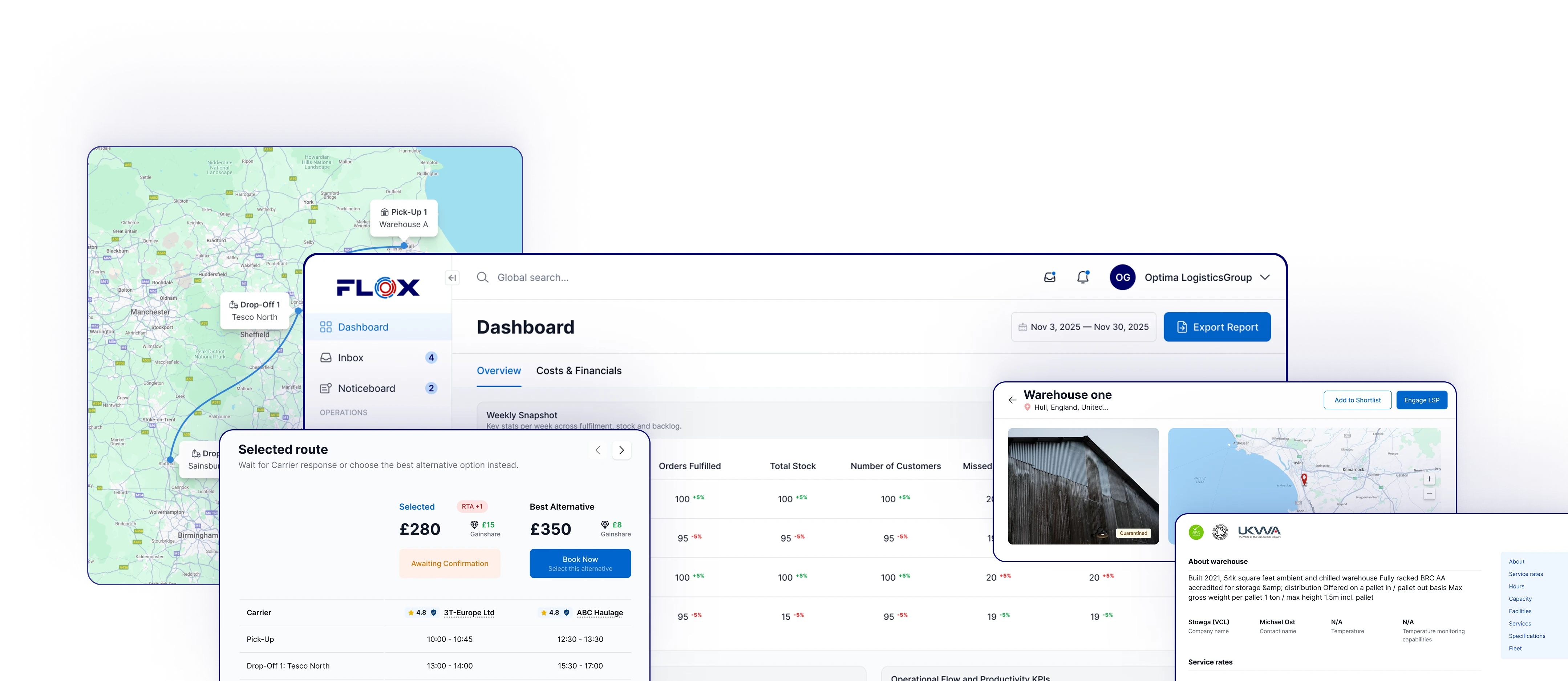
How FLOX Works


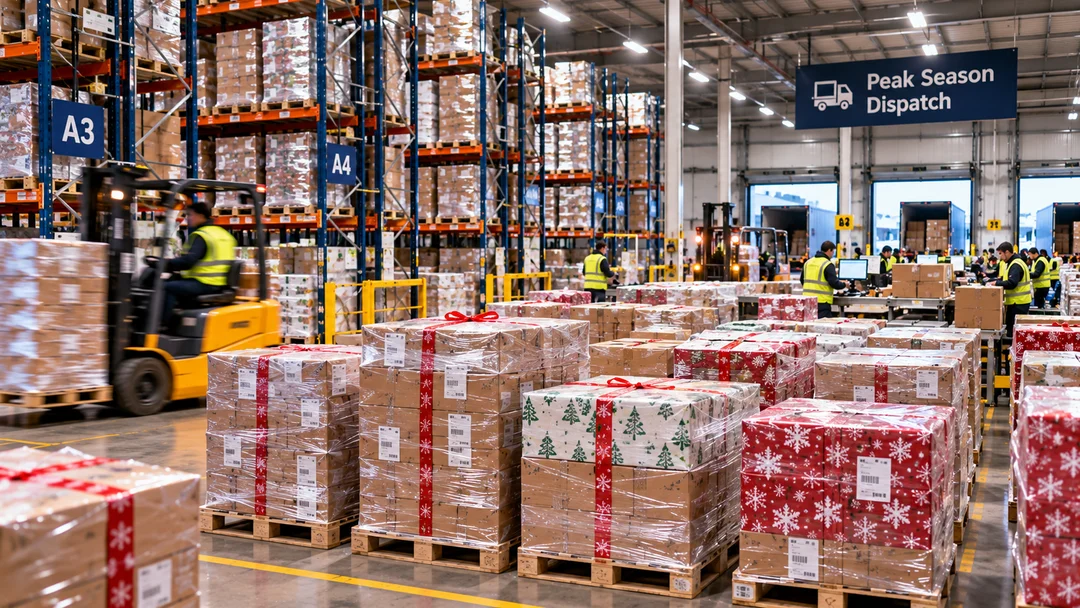
Charlie's MD makes the sequencing argument clearly: flexibility cannot be bolted on after capacity is committed. That is the operational reality most peak post-mortems miss. Retailers frame it as a trading problem (too much, too little, wrong mix) when the failure point was set weeks earlier at the logistics layer.
Early booking secures the slot. It does not secure the right outcome unless the warehouse, carrier and stock-positioning decisions are made as a connected sequence rather than three separate negotiations. When those three run in parallel with no shared view of exceptions or volume signals, the capacity that was locked early becomes the ceiling that cannot flex when it needs to.
The implication for UK shippers is specific. Locking a 3PL and a haulier without aligning inbound stock positioning means any demand shift late in the season creates a reconciliation problem across parties, not just a replenishment one. That is where the cost lands: re-routing, emergency capacity and renegotiated terms under pressure.
Finding and booking capacity across a marketplace, then coordinating execution and exceptions across every party through an orchestration layer, is how early planning stays connected to late-stage reality. The Draper's piece on Charlie's MD makes the case from the trading floor up. The logistics sequencing argument runs the same direction.