

Those workarounds matter more than the licence model. A team that has spent three years routing exceptions through a shared spreadsheet will not change behaviour because the underlying code is now visible on GitHub. The barrier is operational, not architectural.
The Loadstar's op-ed makes a coherent argument: open source lets operators inspect, modify and escape vendor dependency. That is true in principle. In practice, most mid-sized forwarders lack the internal development resource to act on open code. Integration debt with legacy ERPs, carrier APIs and customer portals compounds the problem. Access to source code does not reduce that debt by a single line.
Change management is where freight technology adoption actually fails. A TMS feature that does not absorb a real exception or change a dispatcher's decision at the moment it matters gets routed around within weeks. Whether the software is open or proprietary is secondary to whether the implementation addresses the workflow it is meant to replace.
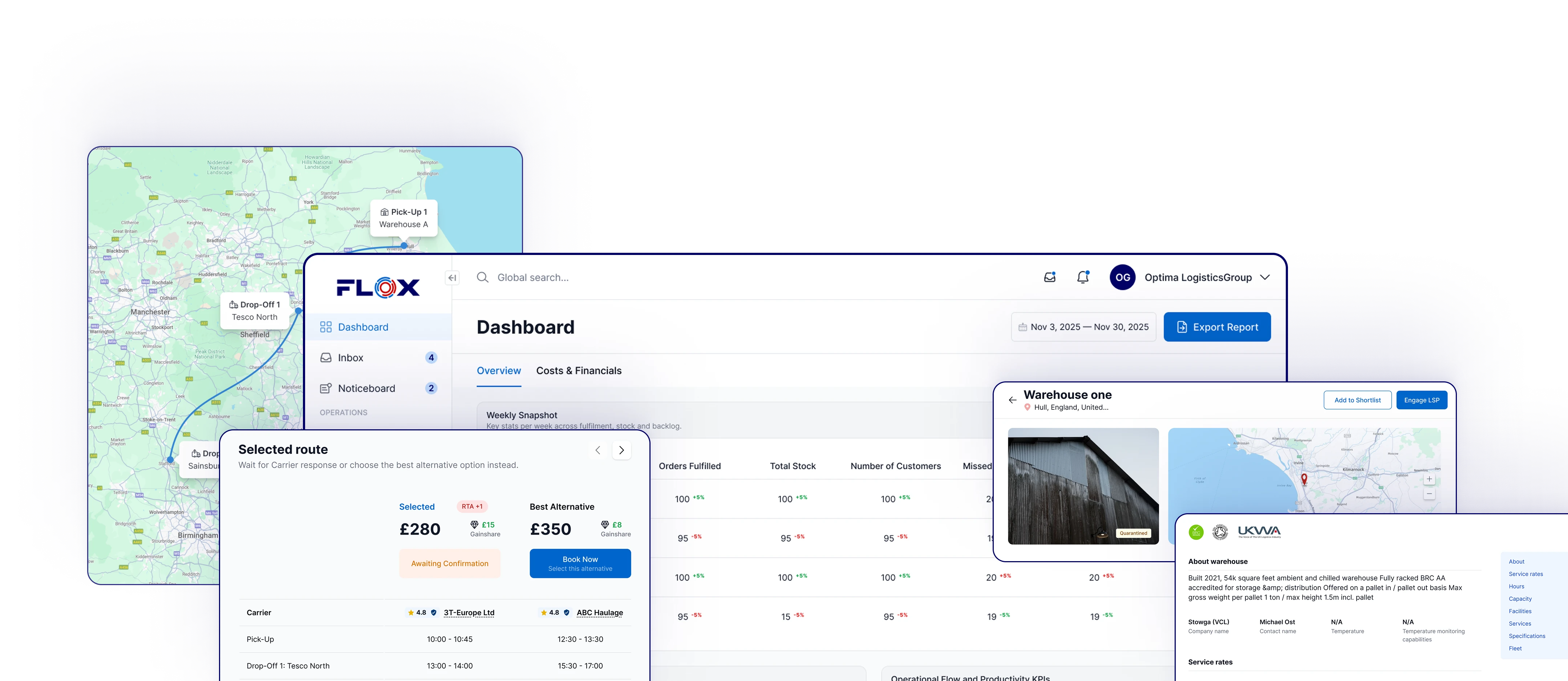
Matching freight volume to the right provider across a multi-party network requires decisions to be supported at the point they happen, not just reported afterwards. The machine room being open is irrelevant if the people inside it are not equipped and incentivised to use it differently.