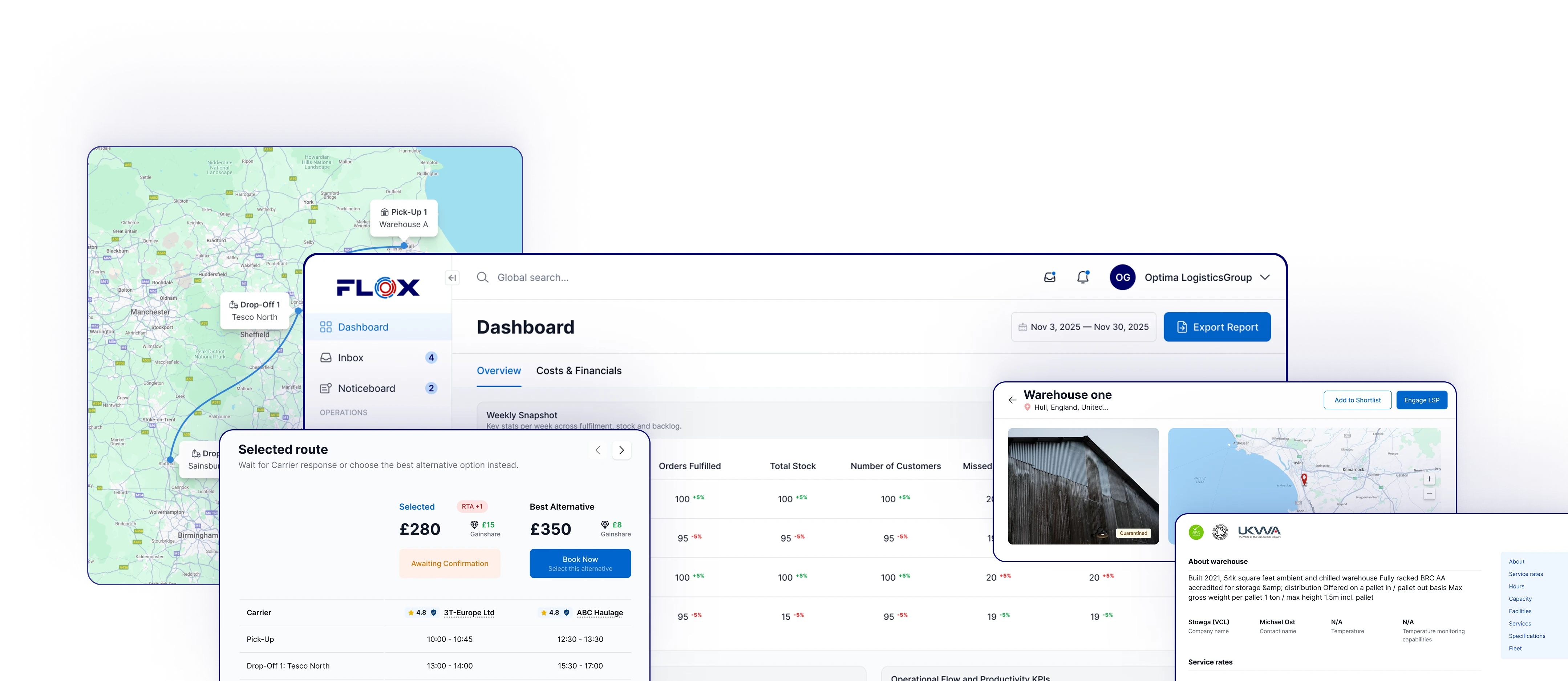
How FLOX Works


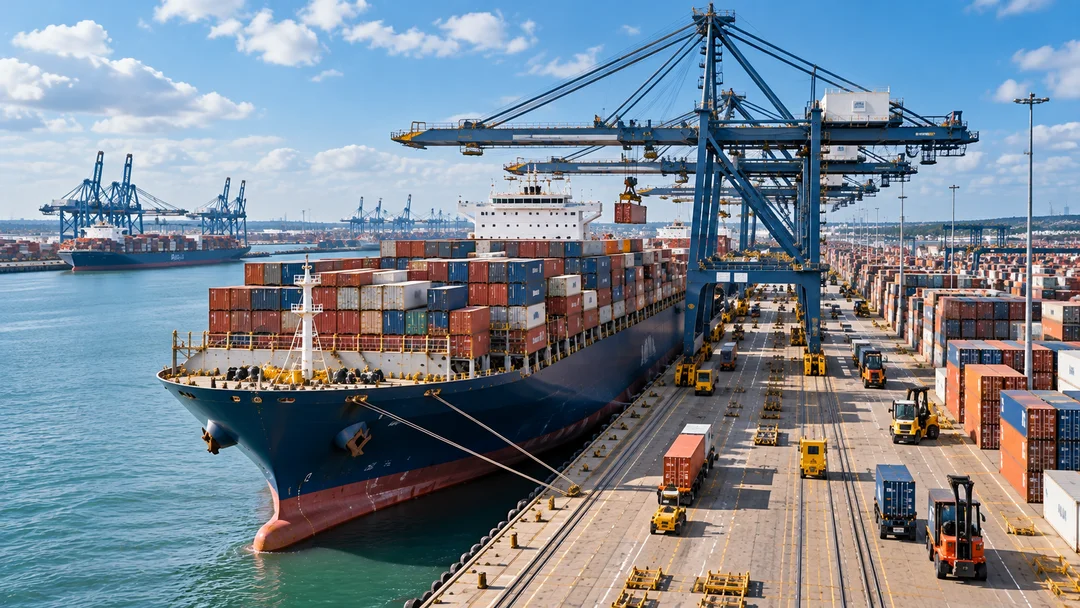
The 2026 Lunar New Year falls on 17 January, roughly two weeks earlier than 2025. That shift cascades backwards through every booking window: factory cut-offs move earlier, vessel space fills faster and UK 3PL intake slots tighten before most planning cycles have caught up.
Four weeks of ocean lead time is not a comfortable buffer in this window. It is the minimum floor before vessel options narrow materially. Shippers sourcing from China who are still working from last year's inbound calendar are already behind the compression curve.
The specific risk for multi-party operators sits at the handoff points. A purchase order date that doesn't account for earlier factory closures, an ocean booking that assumes standard transit without checking port congestion around the holiday period and a 3PL intake slot booked independently of both: each gap looks small. Together they can strand inbound stock on the wrong side of the peak.
Aligning PO dates, vessel bookings and warehouse intake across every party in the network before mid-autumn is the practical action. Coordinating exceptions and capacity across buyers, 3PLs and hauliers through the orchestration layer of a marketplace and orchestration platform reduces the chance that one party's late adjustment cascades into another's capacity miss.