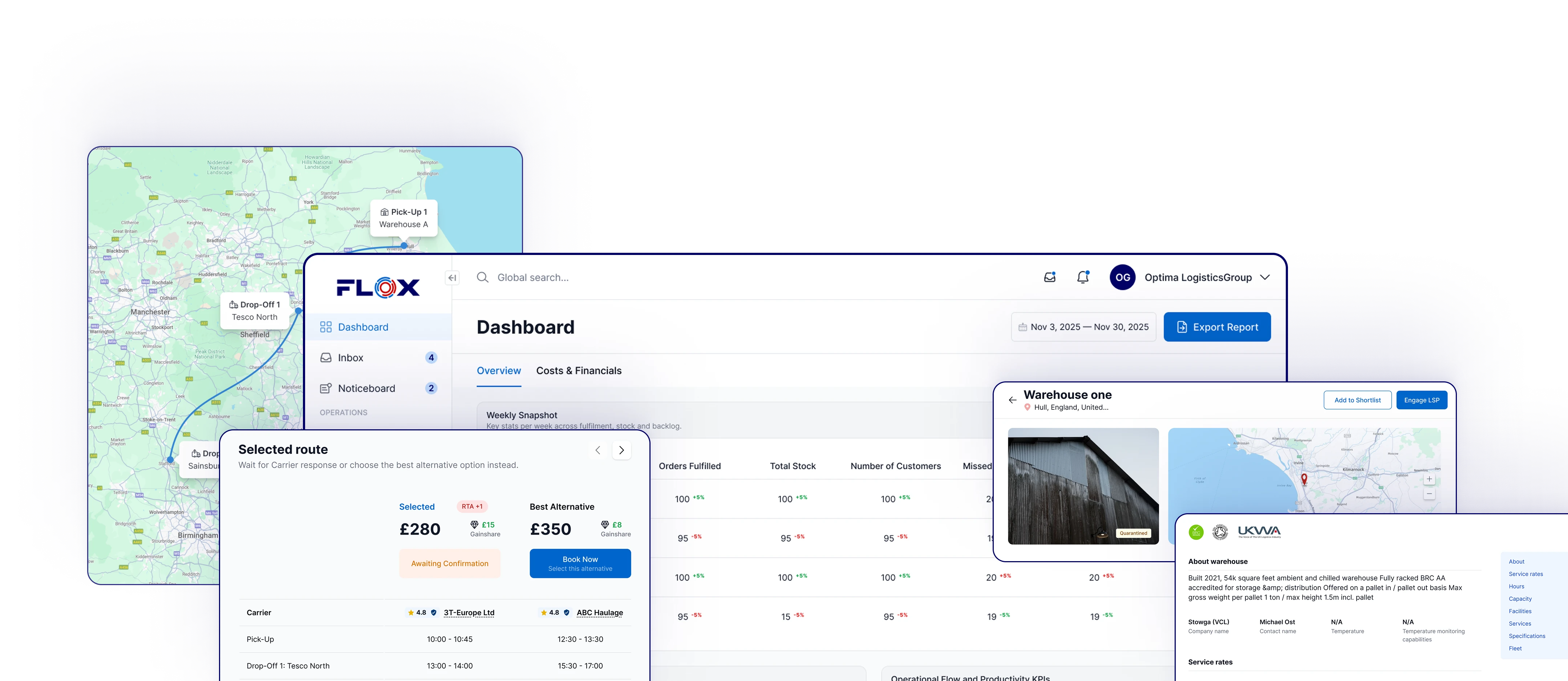



Agile Logistics with Collaborative Vehicle Routing
2 November 2023Collaborative vehicle routing optimises transport by sharing capacity across suppliers and carriers. This approach reduces costs and environmental impact significantly whilst improving service reliability across the logistics network substantially.
Vehicle routing has traditionally been a solo operation where each carrier plans its own route to minimise its individual costs. This approach leaves capacity unutilised and creates inefficiency across the network. Collaborative vehicle routing changes this by allowing carriers to share routes and consolidate shipments strategically. When multiple parties coordinate, fewer vehicles move the same goods overall. Fuel costs drop, delivery times improve, and carbon emissions decline substantially. The model works particularly well for industries with reverse logistics or multi-pickup requirements. Carriers initially resist collaboration due to confidentiality concerns and competitive instincts, but shared routing platforms address this through neutral intermediaries and data protection. Early adopters report cost savings of 15-20 percent whilst reducing delivery delays significantly. Setting up collaborative routing requires investment in planning systems and trust-building between participants. However, the operational and environmental benefits make it increasingly standard practice in progressive logistics networks. Success requires commitment to transparency and shared benefit principles amongst all participants. Technology providers offer solutions that protect confidentiality whilst enabling coordination effectively. Many view it as essential for meeting emission targets.


Time is priceless.
Sign up today.