

Those 43 million additional visits did not appear evenly across the existing network. They concentrated volume in a channel that typically runs tighter delivery windows, higher in-stock requirements and less tolerance for late or partial replenishment than the major multiples it pulled shoppers away from.
For FMCG and grocery suppliers, the problem is timing. Replenishment models, carrier allocations and warehouse slot commitments are usually set quarters in advance against channel weightings that change slowly. When a discount channel moves as fast as Lidl did, the routing and inventory assumptions baked into those plans fall out of alignment before anyone has formally reviewed them.
The operational consequence is concrete: stock arriving at the wrong node at the wrong frequency, haulage contracted to the wrong lane mix and fulfilment capacity sized for a volume shape that has already shifted. These are not planning failures in the abstract; they show up as service charges, lost ranging decisions and wasted capacity.
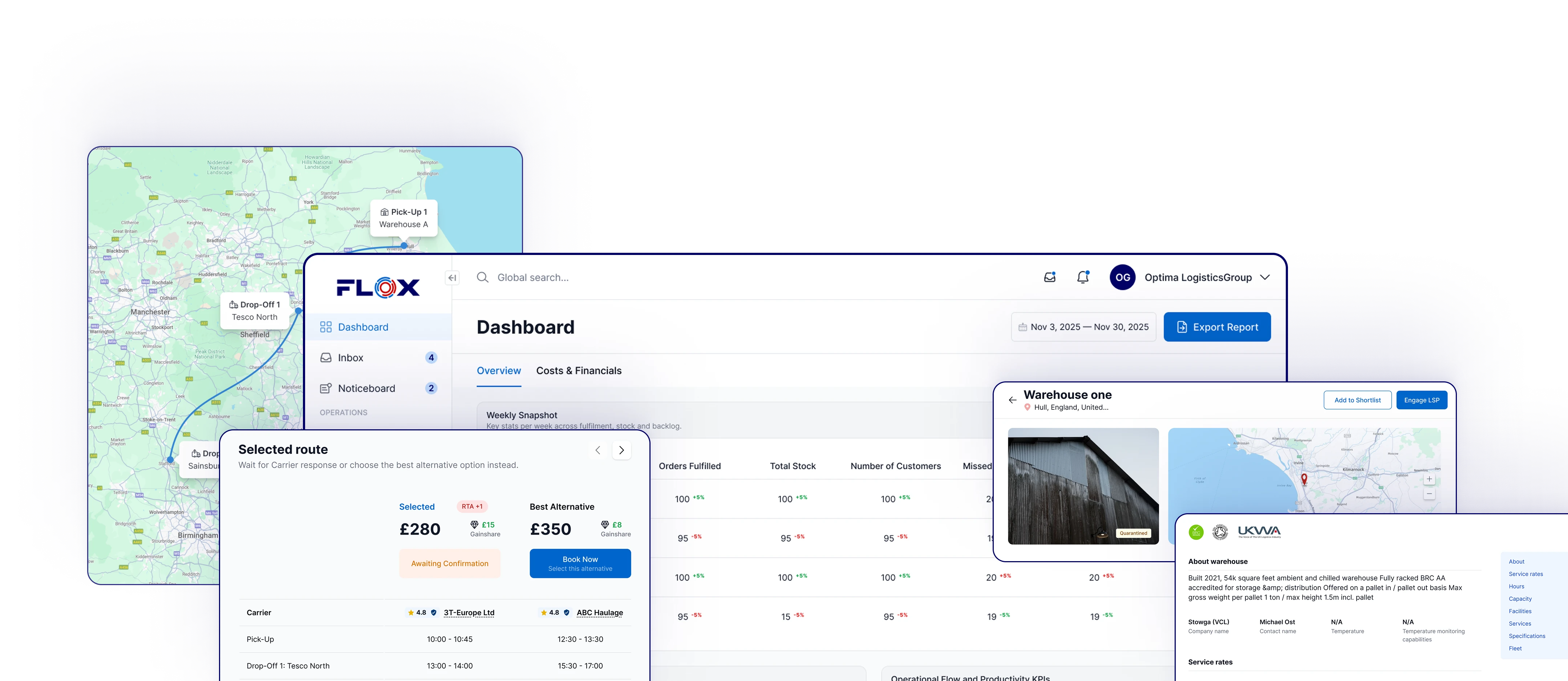
Matching capacity to where volume actually flows requires visibility across the full multi-party picture: the shipper, the warehouse, the 3PL and the haulier reading the same order and exception data at the same time. That is a coordination problem before it is a technology one.