

The Impact of Digital Twins in Logistics
5 July 2024Digital twin technology is moving from pilot to production in logistics and supply chain. This guide explains how real-time simulation reshapes warehouse layout, network design, transport planning and scenario testing, and where the real payback sits today.
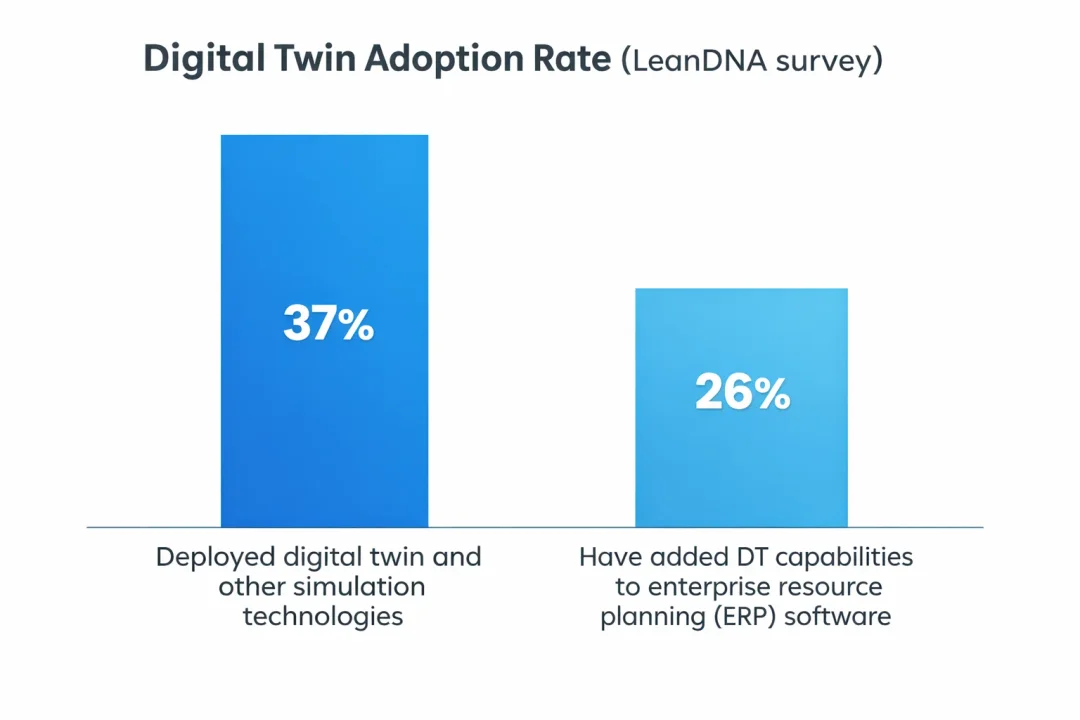
Michael Ostroumov unpacks how digital twins are changing logistics and supply chain operations, moving beyond the hype into the concrete use cases that produce measurable returns for UK operators. A digital twin is a live, data-connected model of a physical system, whether that is a warehouse, a distribution network, a fleet operation or an end-to-end supply chain. The article covers adoption rates across the sector, which are rising sharply as sensor costs fall and cloud compute gets cheaper, and explains why the payback comes from three places: testing operational changes before committing capital, stress-testing the network against disruption scenarios, and improving day-to-day decision quality with a shared single view of reality. Warehouse layout optimisation, inventory positioning, transport mode selection, labour planning and carrier performance monitoring are all areas where twins are already producing hard savings for mid-market and enterprise operators. The piece also flags the common pitfalls that kill early projects, including poor data hygiene, over-ambitious scope, and siloed ownership between IT and operations. It ends with a practical adoption path for logistics businesses that want to start small without committing to a multi-year programme.


Time is priceless.
Sign up today.