

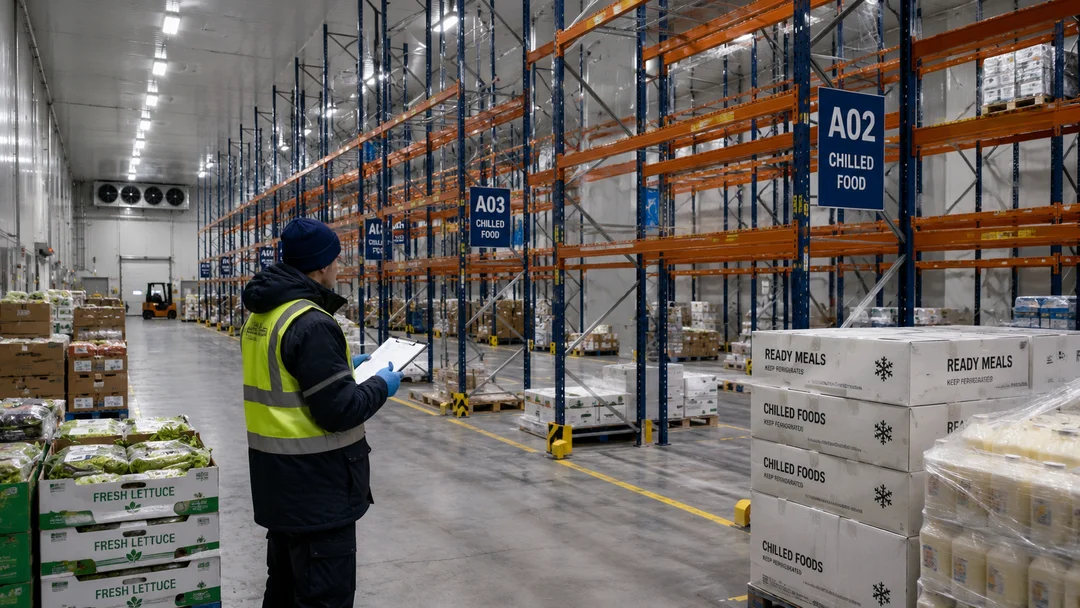
The CILT data makes the exposure plain: a majority of UK logistics businesses hold safety stock equivalent to less than a quarter of normal throughput. When food supply pressures spike, a port delay, a weather event, a sudden demand shift, there is almost nothing left in reserve before service starts to fail.
The instinct is to treat this as a resilience strategy conversation, something for a board deck or an annual risk review. It is not. Headroom, defined as the gap between current capacity and the point at which the network breaks, behaves exactly like a financial ratio. Treasurers track liquidity daily; supply chain teams rarely apply the same discipline to buffer stock or spare carrier capacity.
The practical consequence is that pressure events do not announce themselves. By the time a shortfall is visible in order fill rates or vehicle utilisation, the window to correct it has already closed. Operators who track headroom continuously can reroute, call on reserve providers or adjust intake schedules before the damage lands.
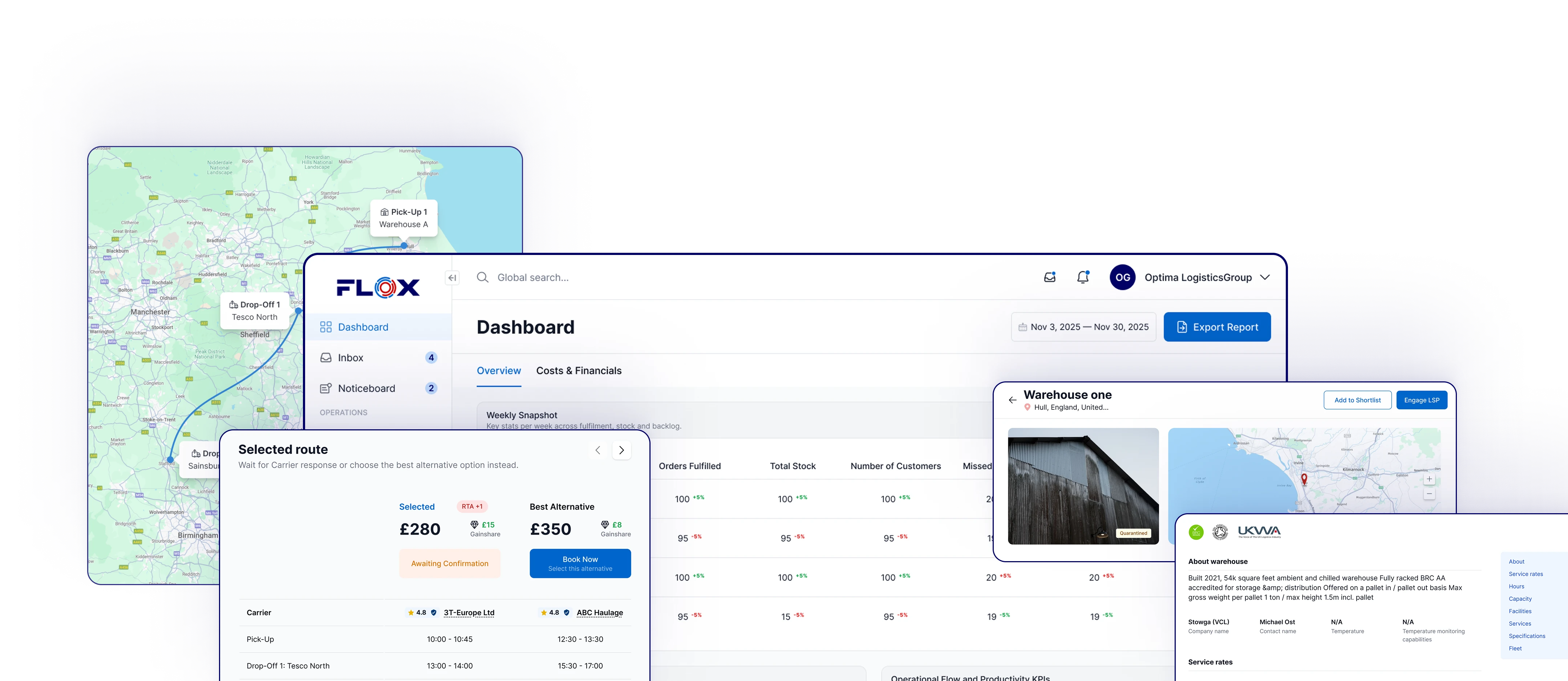
For shippers sourcing capacity through a multi-party marketplace with orchestration depth, the same logic applies to carrier headroom. Knowing which providers have genuine spare capacity on a given lane, right now, is what separates a managed response from a scramble.