

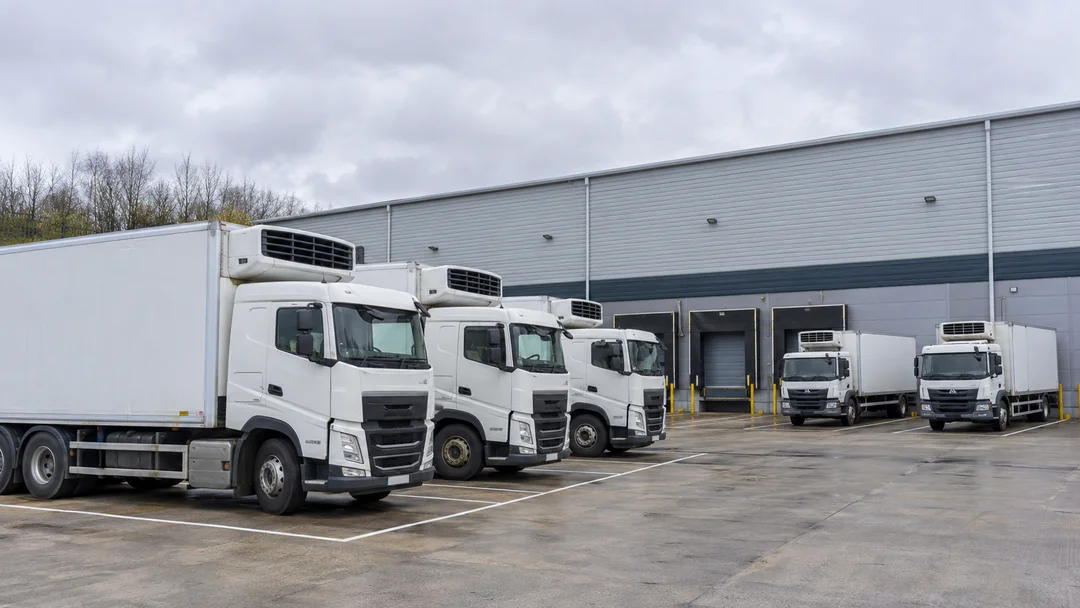
That coexistence is the real diagnostic. When a retailer scrambles for haulage during a bank holiday peak, available trailers are often sitting within the same corridor, committed to a provider who has not yet flagged their window. The capacity exists; the signal does not reach the buyer in time to act.
This is a decision-quality failure before it is a procurement one. Buying more contracted capacity in advance does not close the gap if the operational picture is fragmented across spreadsheets, emails and disconnected TMS records. The buyer is making decisions with partial data, too late and the cost compounds through failed deliveries, retailer fines and expedited alternatives.
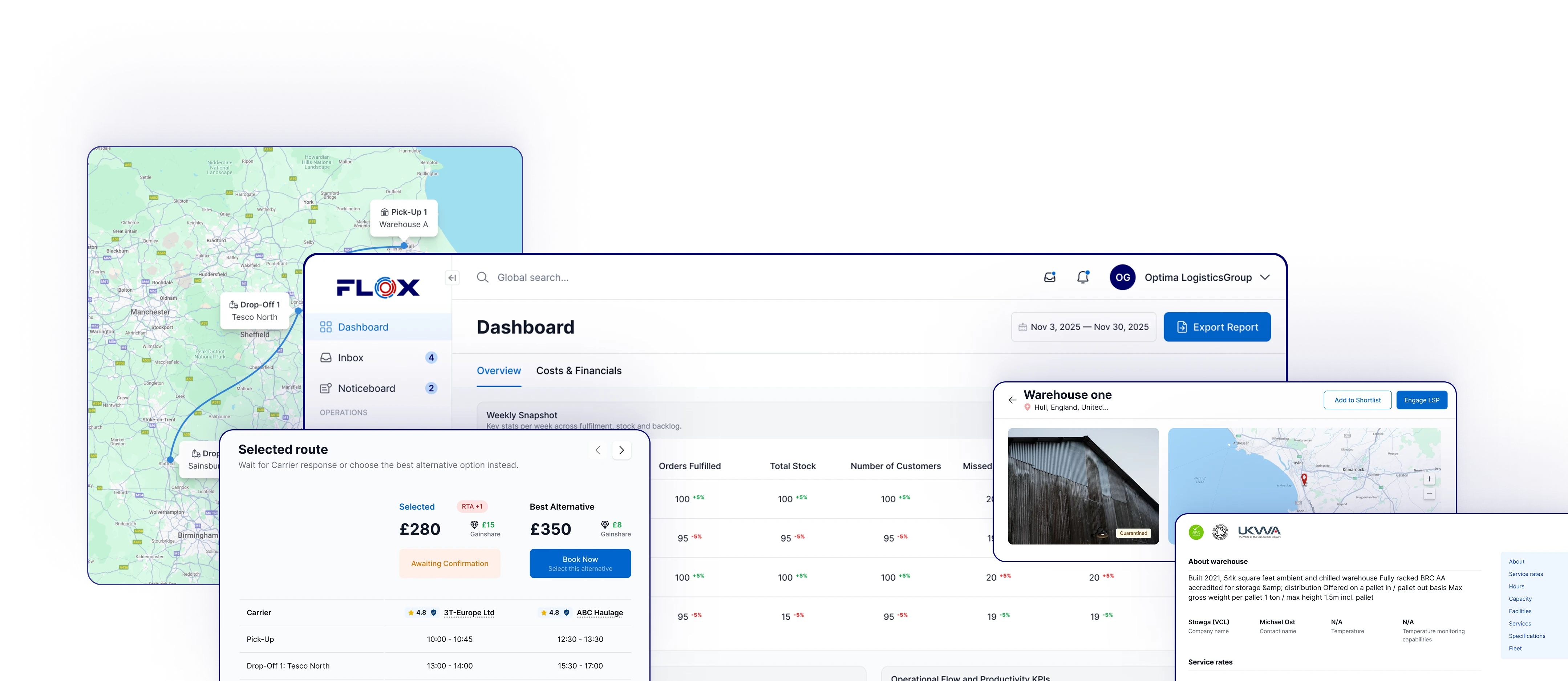
The fix is coordination infrastructure that surfaces available capacity across providers in real time, routes exceptions before they become failures and connects the financial settlement that follows. Without that layer, every peak becomes a reactive scramble regardless of how much capacity is nominally available on paper.
For grocery shippers specifically, the asymmetry is stark. Demand sensing is sophisticated at the forecast layer but the signals rarely reach the execution layer early enough to reposition assets. Closing that gap requires a marketplace and orchestration platform, not a better spreadsheet or an additional 3PL contract.