

Each acquisition adds a separate layer: a different DC relationship, a different inbound carrier mix, a different returns SLA baked into a contract written for someone else's volumes. When Frasers acquires a brand, the commercial rationale closes in weeks. The logistics integration runs for months or years, largely unmanaged.
The failure mode is not dramatic. It shows up as duplicate freight lanes running in parallel, returns processed through whichever 3PL inherited the account and warehouse capacity committed before the combined volume picture was understood. Integration sequencing, meaning which fulfilment node absorbs which brand and in what order, determines whether unit economics improve or quietly deteriorate.
This is not a problem unique to Frasers. Any multi-brand acquisition strategy in UK retail faces the same structural mismatch. Standard 3PL contracts assume a stable volume profile and a single brand identity. A portfolio built through acquisition has neither.
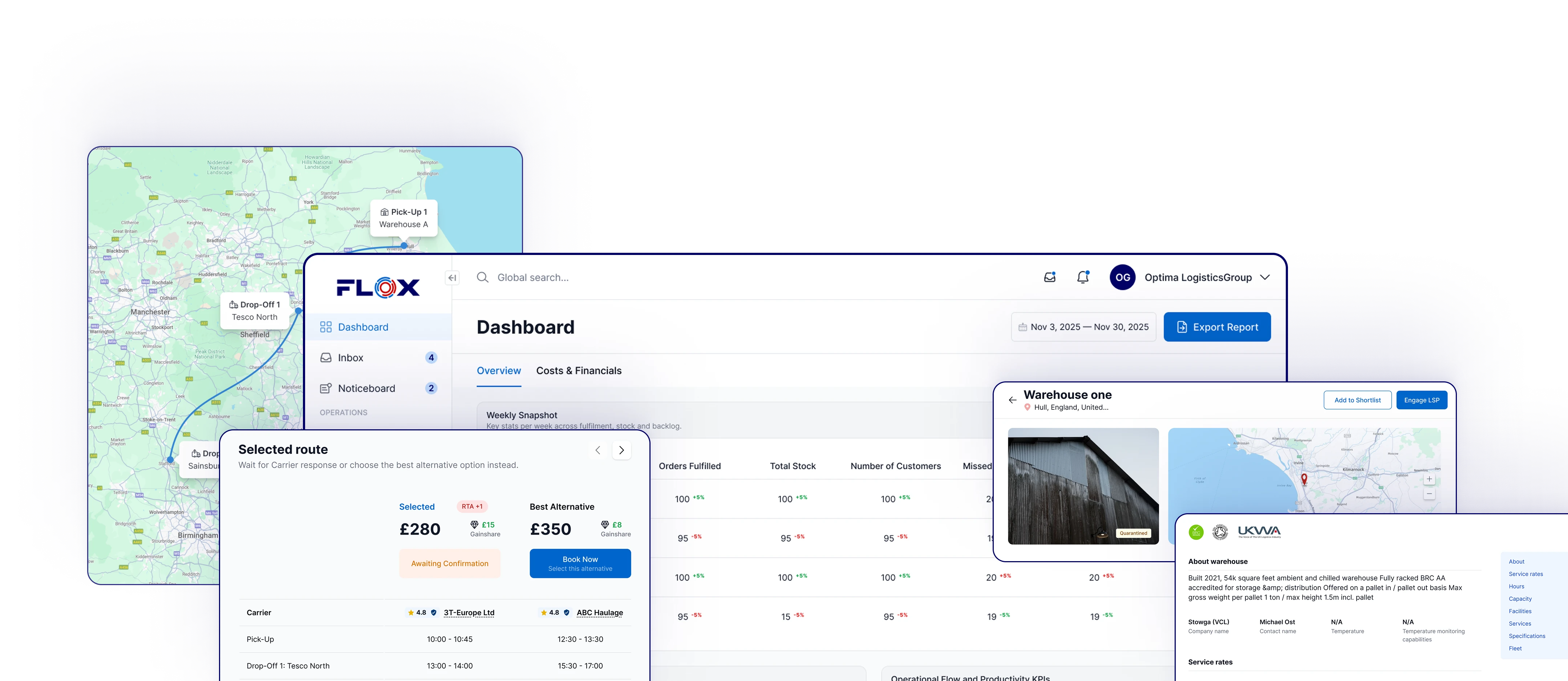
The operational answer is a logistics layer that can hold multiple provider relationships, rebalance volume across them as each brand is absorbed and give a single view of cost and capacity across the whole estate. That is what a marketplace with orchestration depth can do that a bilateral 3PL contract cannot.