

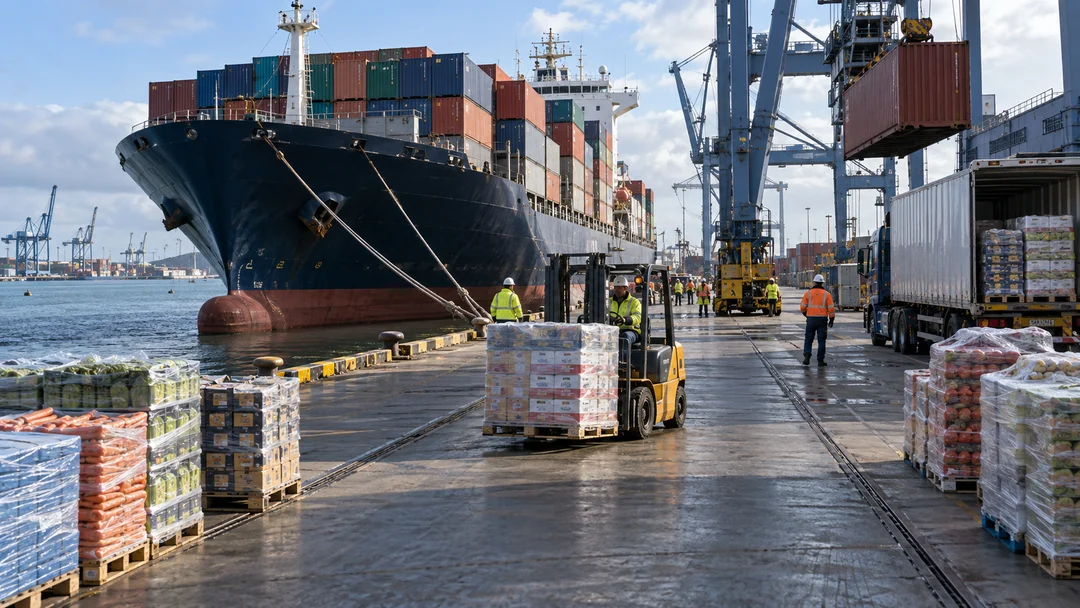
The forces driving food price pressure are not resolving on a seasonal curve. El Niño suppressed yields across Southeast Asia and East Africa into 2024, replenishment cycles have not caught up and Red Sea diversions are still adding freight cost and lead time to ambient and chilled imports into the UK and Northern Europe.
IGD's figures put grocery cost inflation back on an upward trajectory at a point when many buyers had assumed the worst was behind them. The operational problem is that annual sourcing contracts and static buffer stock levels were calibrated against a different environment. When the underlying cost and availability picture shifts mid-year, those fixed parameters become a liability rather than a plan.
Sourcing routes and inventory buffers need to be treated as live variables, reviewed against current lane costs and supplier reliability on a rolling basis rather than locked at the start of a financial year. A buffer calculated in January against then-current Red Sea rates may already be materially wrong by April.
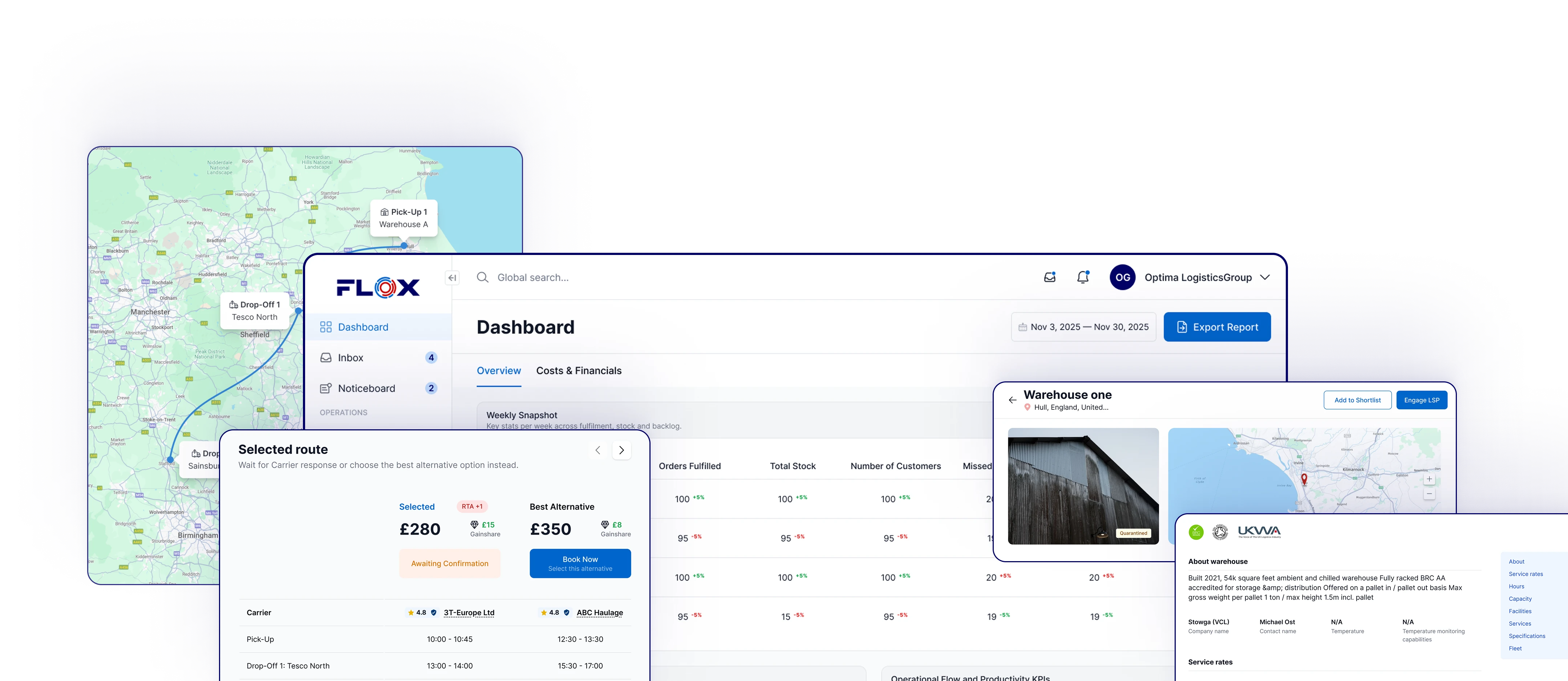
Providers that can flex warehouse footprint and carrier mix as sourcing shifts give shippers a practical way to respond without committing to infrastructure that may not fit the next disruption. Static annual relationships do not price that flexibility in.