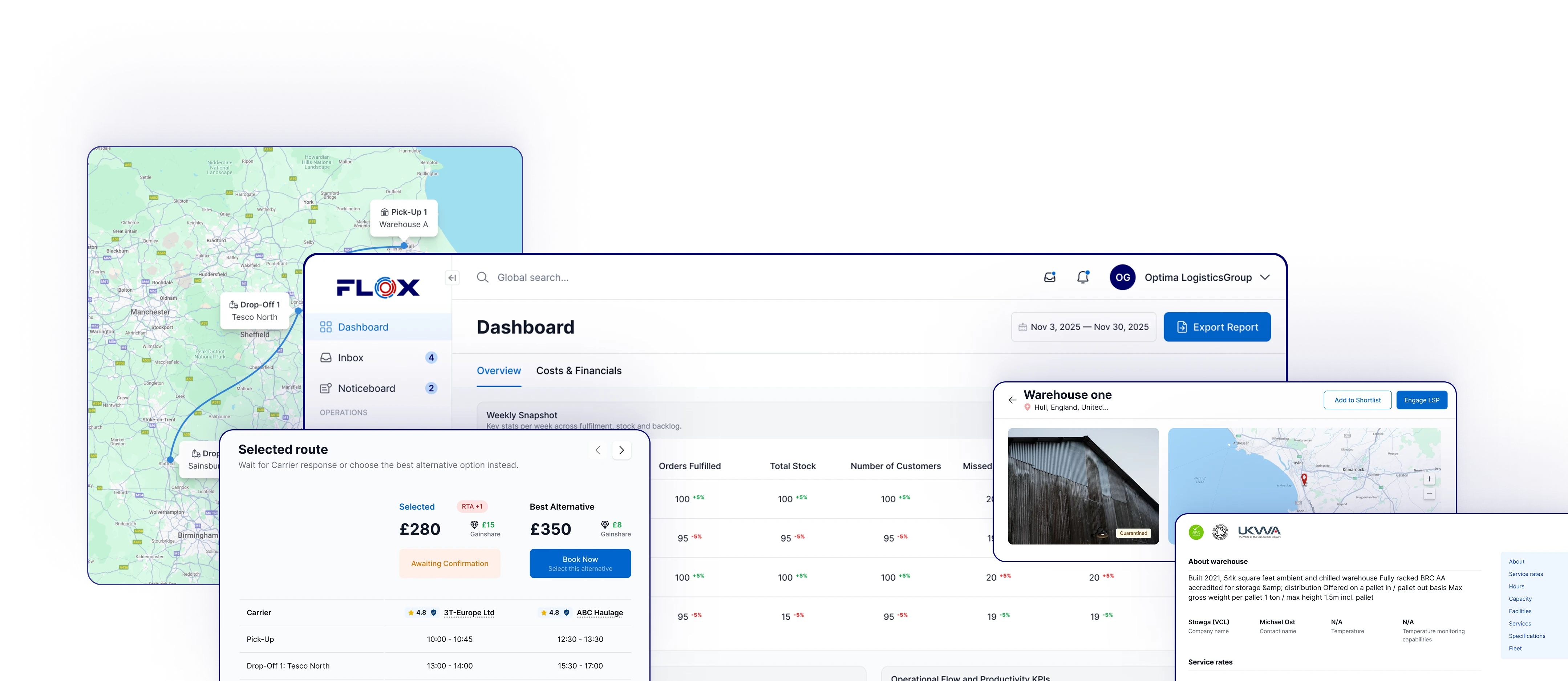
How FLOX Works


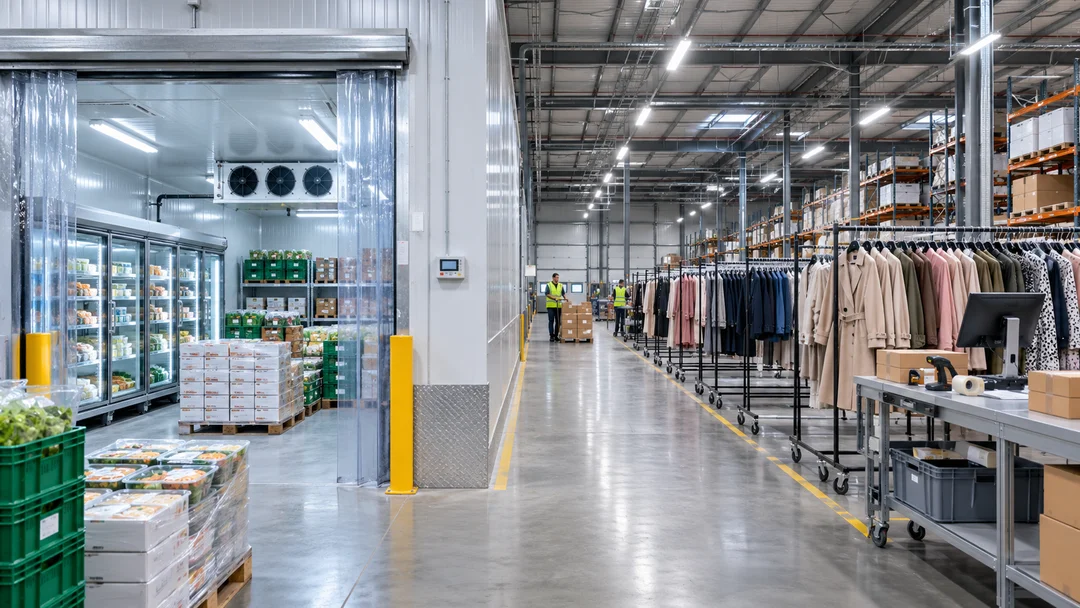
The mechanisms behind that gap matter more than the observation itself. Food runs on replenishment cycles measured in hours, with spoilage as the penalty for lateness. Fashion runs on seasonal commitment, with markdown as the penalty for mis-buying. Those two penalty structures demand fundamentally different logistics contracts, different buffer strategies and different thresholds for triggering an exception.
Most shippers that carry both categories apply the same operational logic to each. They set a single lead-time expectation, a single late-delivery tolerance and a single escalation path. That works adequately when both categories are running smoothly and breaks badly when one of them is not.
The practical fix is to separate exception-management rules by category, not by provider. A cold-chain delay that breaches a four-hour window is a different kind of exception from a fashion carton held at a consolidation hub for two days. Routing those two signals through the same escalation path means the slower one masks the urgent one. Orchestration across a multi-party network needs to reflect the category logic, not flatten it.
Finding providers on the FLOX marketplace and running exception routing through the orchestration layer by category is how shippers can close that gap without restructuring their entire third-party estate.