

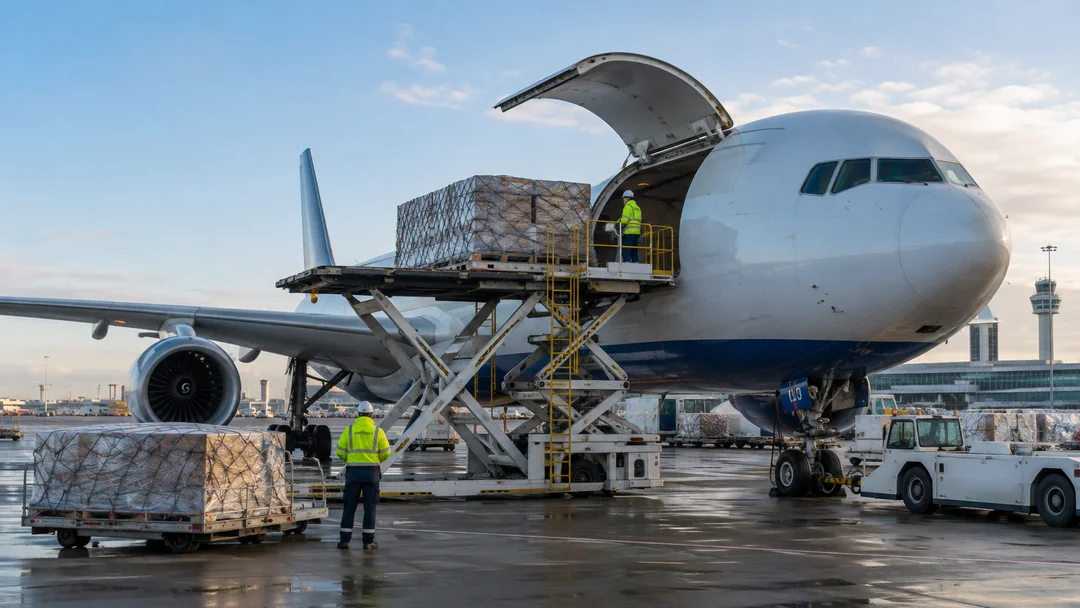
The headline numbers are real: EU air freight throughput has normalised against pre-pandemic baselines and non-scheduled charter activity has grown as a structural share of the mix rather than an emergency measure. That shift matters because it fragments the capacity picture. Scheduled freighter slots at legacy hubs are no longer the only reliable option, but assessing non-scheduled alternatives requires more diligence than simply booking against a published timetable.
For UK shippers, the added layer is customs routing. Post-Brexit, the choice of EU entry airport carries direct compliance and transit-time consequences that a UK-based consignor in 2019 did not face. Flying into Amsterdam, Leipzig or Liege each triggers a different set of import declarations, dwell-time norms and onward road legs before goods reach a UK door. Those differences compound on time-sensitive or high-value lanes.
Normalising volumes means competition for the best-performing slots is intensifying again. Carriers are repricing accordingly and the window to lock in rates before demand fully consolidates is narrowing. Waiting for the market to settle is not a neutral position.
Shippers reviewing air freight strategy now should map airport routing against their specific customs obligations, not just transit time. The CILT coverage linked below sets out the volume data in detail.