

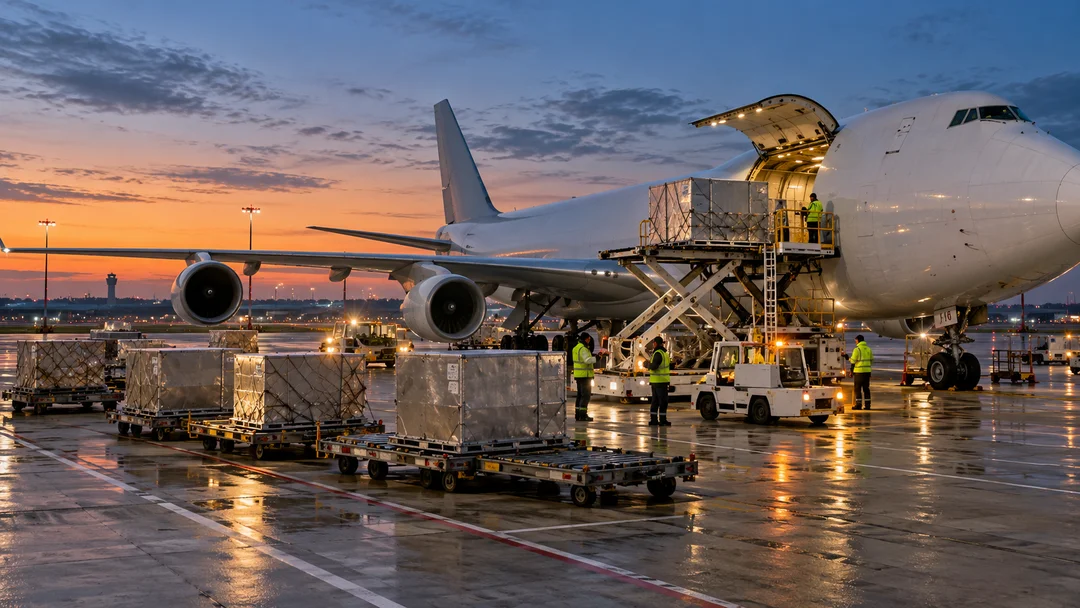
The Loadstar reports that air cargo is gaining ground with shippers, yet concerns remain around waybill changes and contractual frameworks. That combination is a signal: adoption is outpacing the operational discipline required to make it work reliably.
When air sits in the contingency column, informal booking and reactive pricing are acceptable. When it moves into the routing matrix as a genuine tier alongside road and ocean, it needs the same governance applied to primary modes: defined lanes, agreed service levels, exception routing and financial reconciliation that matches how the mode is actually used. Without that, shippers absorb rate volatility they cannot forecast and providers face demand signals they cannot plan to.
The waybill concerns flagged in the story point to exactly this: documentation standards built for occasional use do not scale when air becomes habitual. Operational and contractual alignment has to happen at the same time as the mode shift, not after the first disruption.
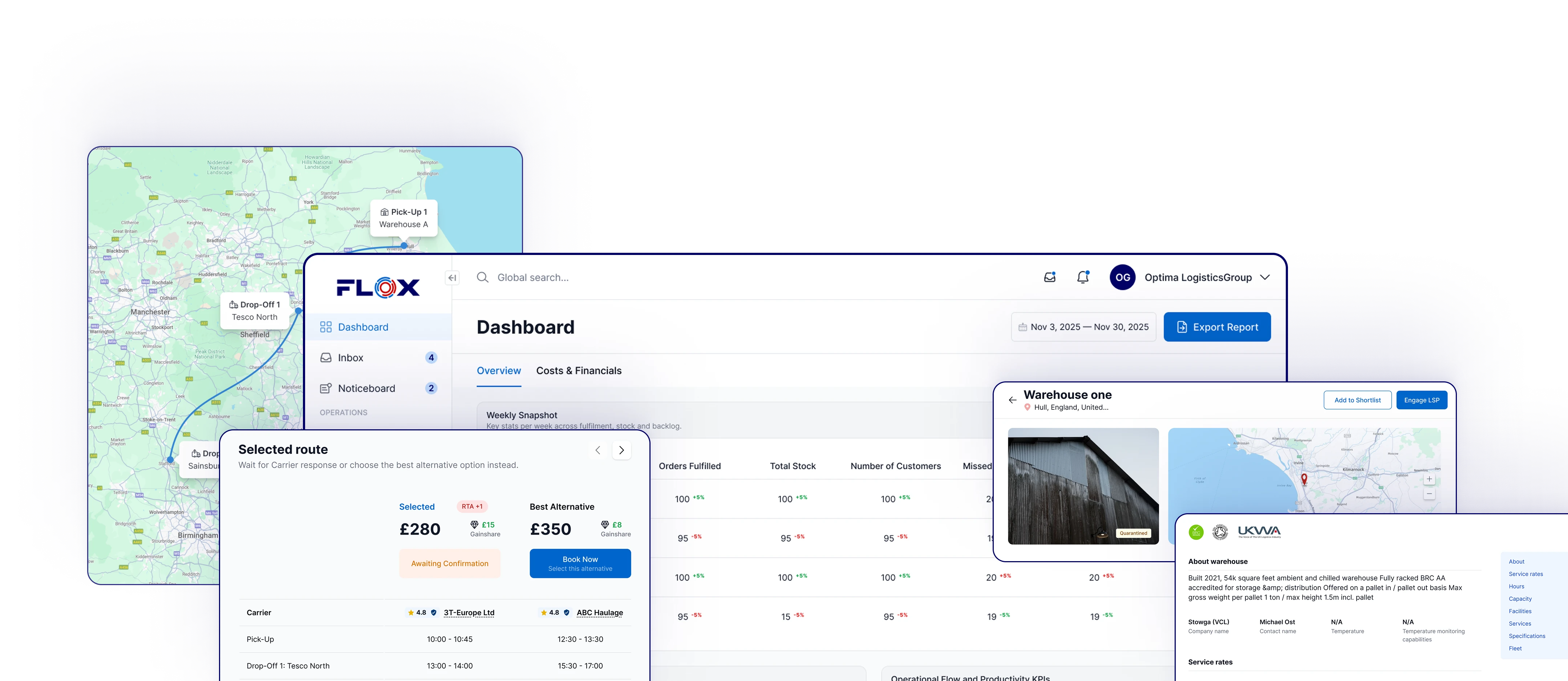
For a shipper coordinating warehousing, road and now air across multiple providers, managing each mode in a separate system compounds the problem. Visibility of exceptions and financial flows across all parties in one place is what makes a multi-tier routing strategy executable, not theoretical.