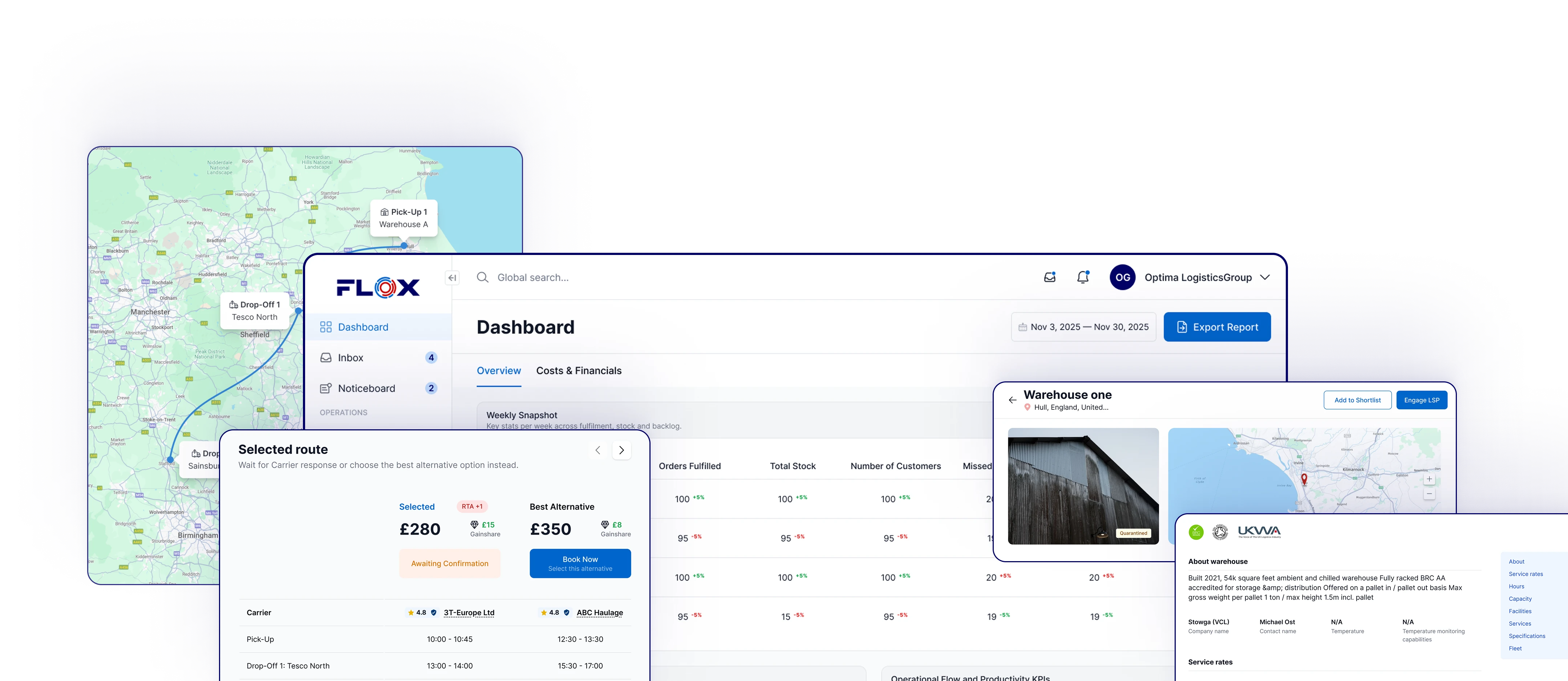


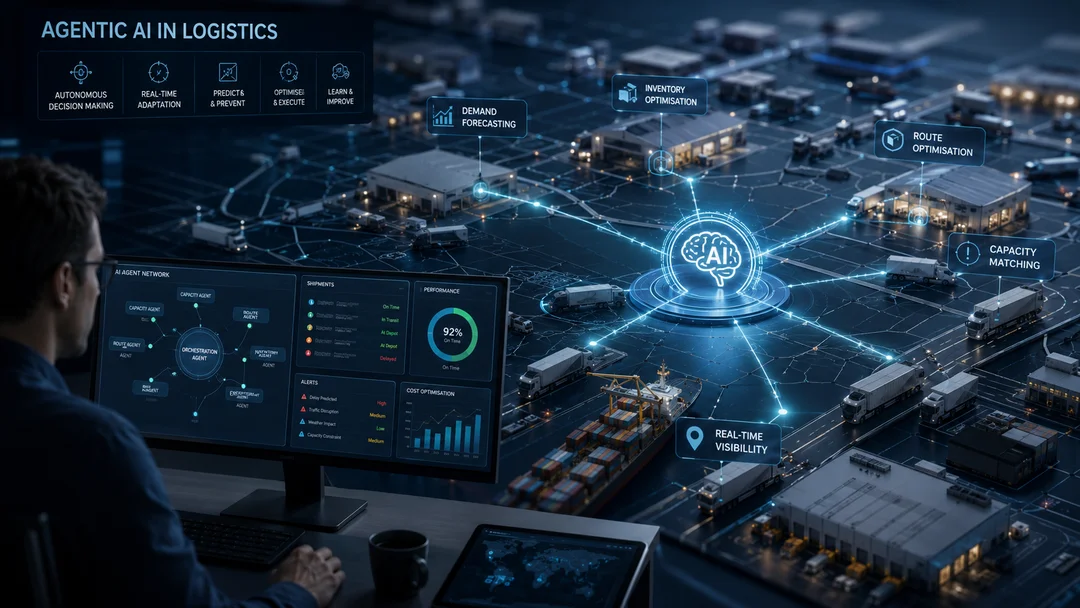
Carriers still send status updates by email. Warehouses run on spreadsheets or legacy WMS exports. Shippers aggregate this manually, often hours after the fact. Plug an agentic AI layer on top of that and it does not become a real-time operational nervous system, it becomes an expensive wrapper around the same broken signals.
The vendor conversation focuses almost entirely on the AI's reasoning and orchestration capabilities. Those capabilities are real. But a model that cannot distinguish a confirmed departure from an estimated one or that treats a warehouse's end-of-day batch export as live inventory, will make confident decisions from bad inputs. The error propagates faster than the manual process it replaced.
The bottleneck is structural. Mid-market logistics networks in the UK were not built to emit clean, timestamped, machine-readable events at every handoff. Fixing that requires integration work at the carrier and warehouse level before any AI layer adds meaningful value. Technology that cannot absorb a data exception does not improve the operation; it decorates it.
Adoption fails on the operational layer, not the feature list. The right question before deploying agentic tooling is not what the AI can do, but whether the network underneath it can actually feed it.