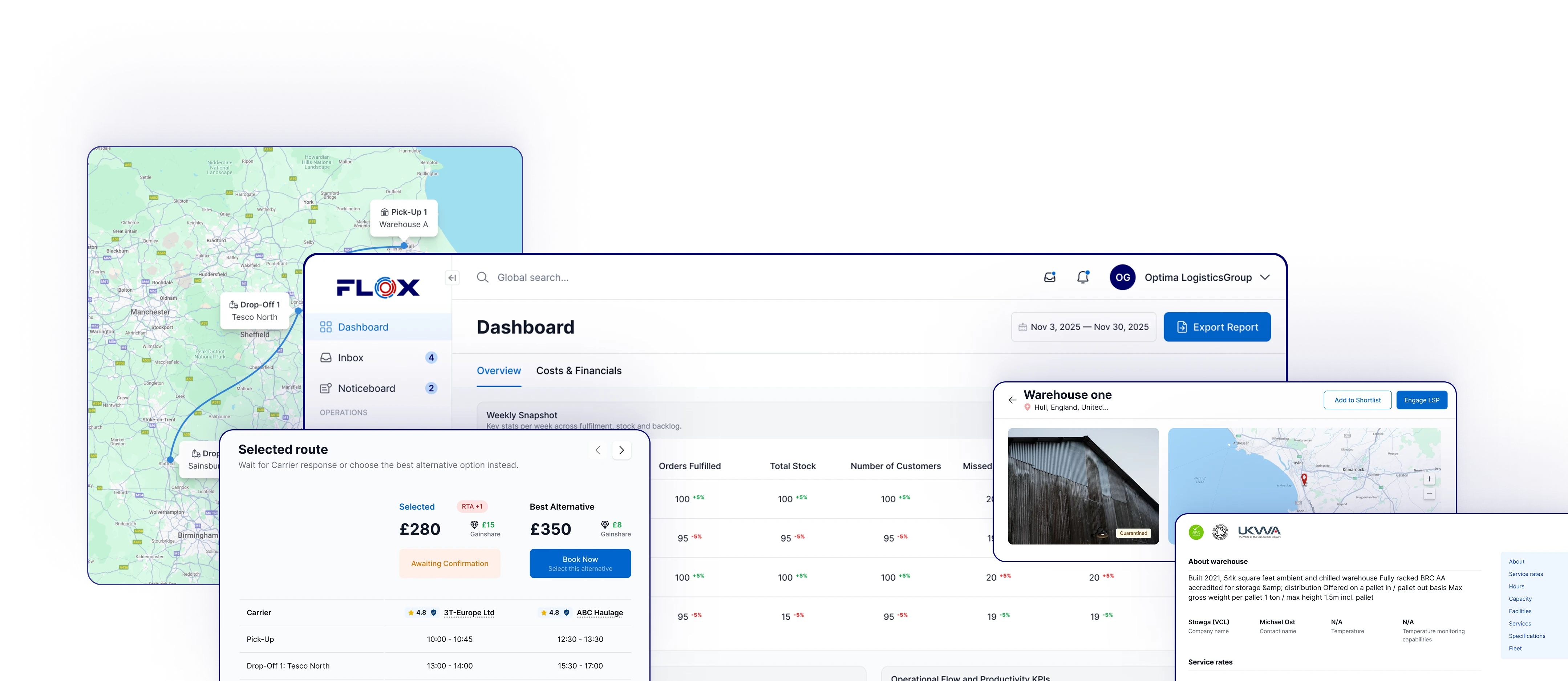
How FLOX Works


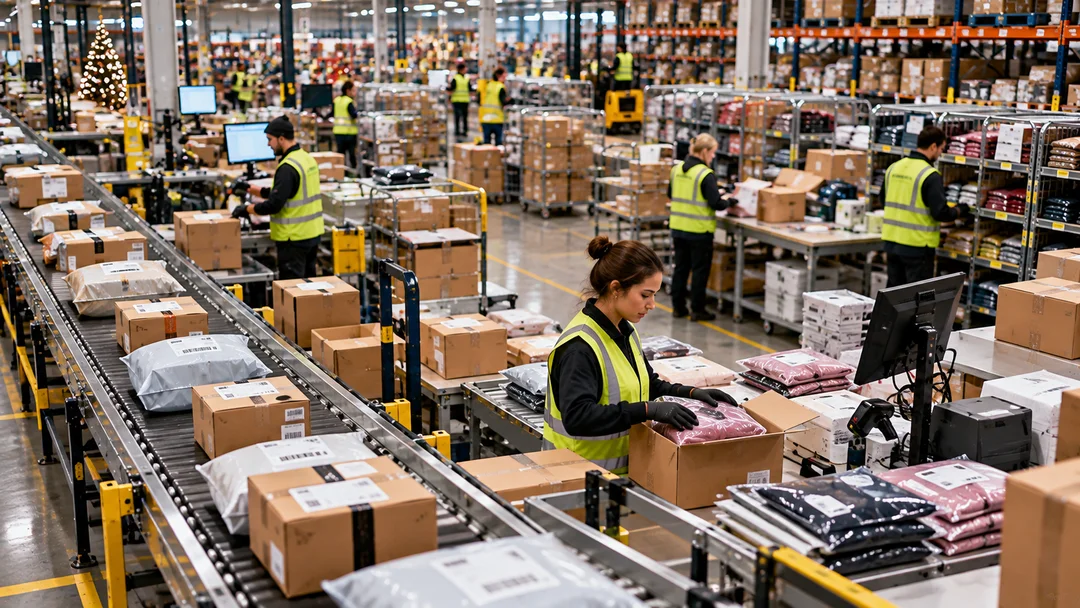
The mechanics are straightforward. Holding a price guarantee requires sufficient stock depth to fulfil demand at the guaranteed price for the full guarantee window. It requires repricing systems that can move fast enough not to breach the promise. And it requires fulfilment capacity that does not buckle when the promotion drives a volume spike. All three of those are logistics constraints dressed as marketing decisions.
The problem is sequencing. Promotional mechanics tend to be agreed between commercial and marketing teams, with logistics briefed on volume uplift alone. The inventory position required to back the guarantee, the speed of pick-and-despatch needed to honour it and the warehouse capacity headroom to absorb demand variability rarely make it into the operational brief until something goes wrong.
For supply chain teams, the lesson is not to wait for the brief. Price guarantee mechanics, extended return windows, post-purchase protection offers: all carry capacity and inventory implications that need to be stress-tested against current provider agreements before launch, not after the first complaint.
A marketplace and orchestration platform built for multi-party logistics makes that stress-test practical. Checking whether committed warehouse and transport capacity actually covers a promotional scenario is an operational question that should have an operational answer, in advance.